From the Chyulus to the Matthews
And all the wild spaces in between…
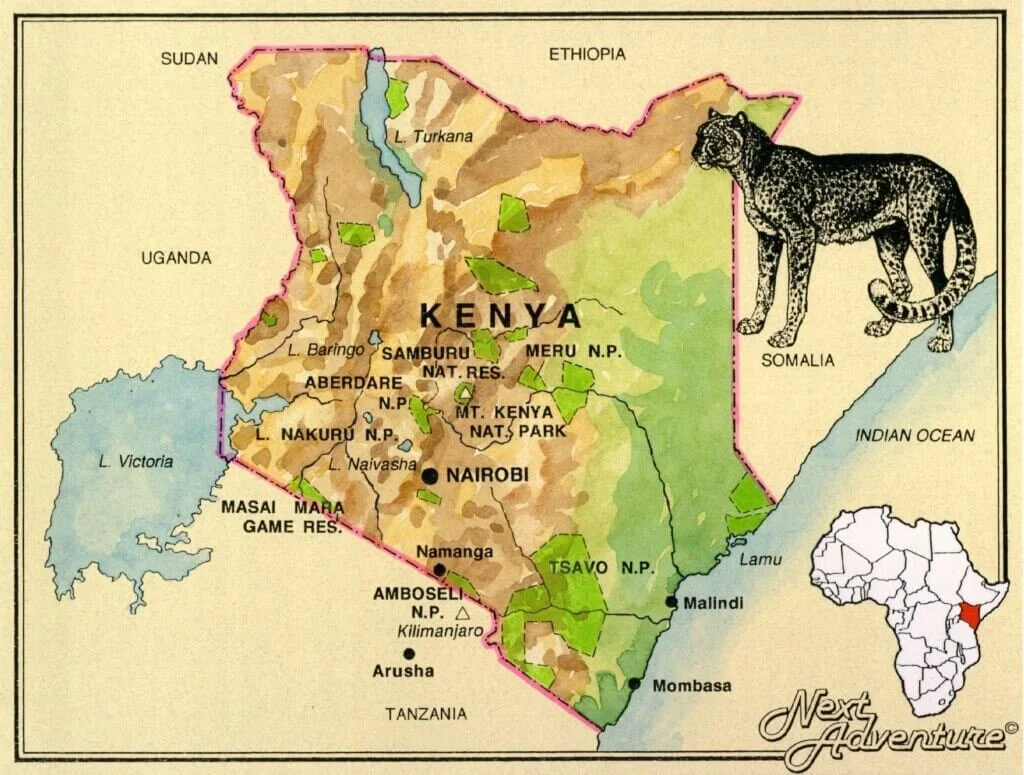
Over the past few years, I’ve had the privilege of exploring some of Africa’s most spectacular regions on long overland safaris: Uganda from Kidepo to Bwindi, Namibia's Skeleton Coast and through the Hoanib Valley, Mozambique from Inhassoro to Inhambane, and most recently, Kenya from the Chyulu Hills to the Matthews Range. These journeys have allowed me to experience not only the iconic parks and reserves, but also the lesser-known spaces that connect them.
Most of our clients travel between these areas by light aircraft, hopping from one beautiful camp to the next. For me, traveling overland is about piecing these landscapes together, seeing how different regions connect and how the destinations we talk about every day relate to one another on the ground.
The safari camps we love are islands of comfort and hospitality in truly remote and wild places. By driving between them, I gain a deeper appreciation of the in-between areas that most visitors never see—the towns, grazing lands, riverbeds, forests, and corridors that make the whole system work.
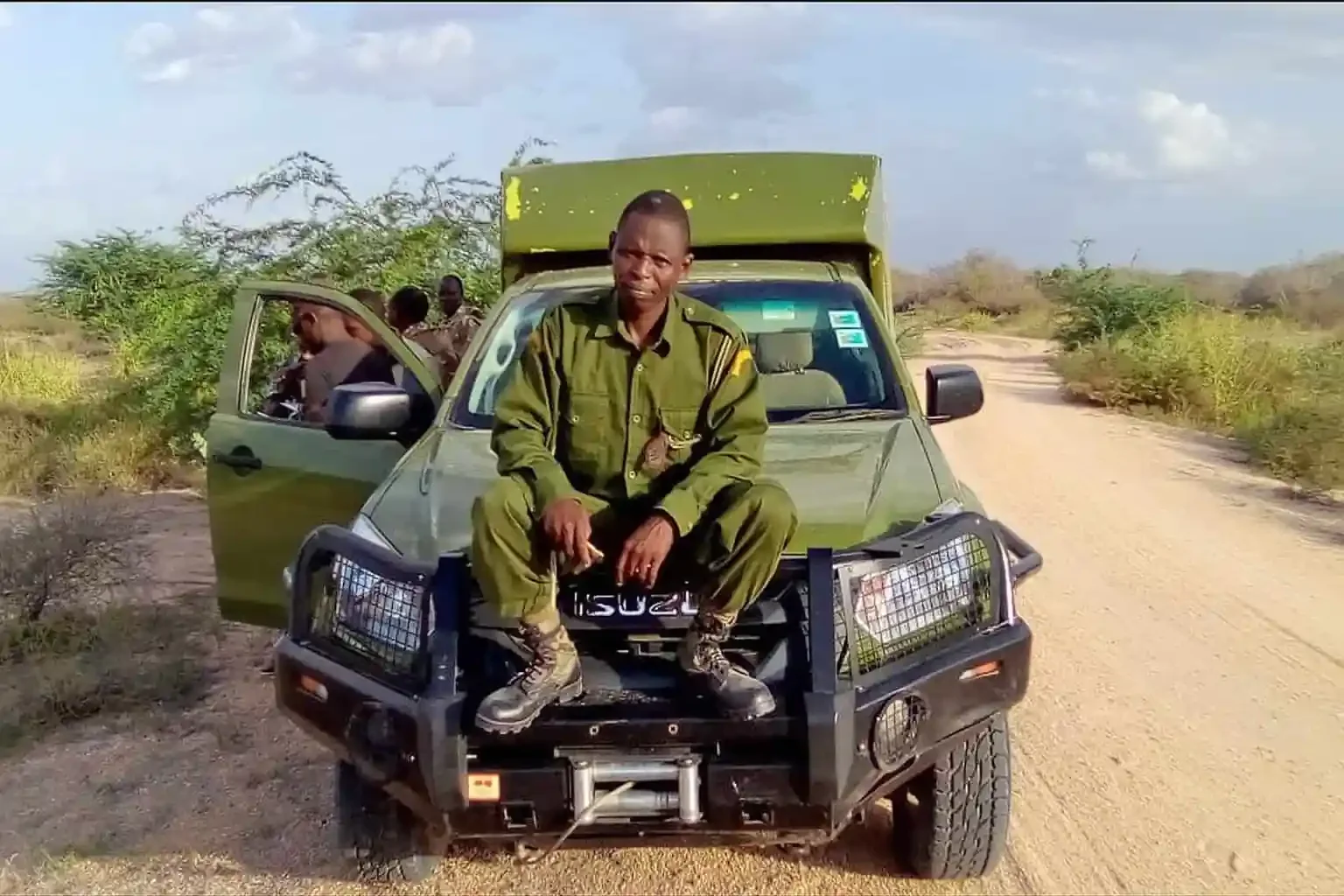
On my recent trip to Kenya I covered a lot of ground: crossing the greater Amboseli ecosystem, driving between the Aberdares and Mount Kenya to Ol Pejeta and Lewa, continuing through Samburu and farther north into the Namunyak Conservancy, and then flying into the Masai Mara to visit a patchwork of pioneering community-based conservancies.
In spite of vastly different ecosystems, I found striking parallels. I witnessed unique collaborations between communities and conservationists, and I sensed a consistent ethos: expanding wild habitats in ways that benefit both people and the environment, while delivering extraordinary safari experiences.
In a time when so much of the news is distressing, and so many destinations are compromised by over-tourism, these journeys reveal safari experiences that demonstrate the positive impacts of tourism and embody a hopeful vision for the future.
The Land
At opposite ends of my long drive, I encountered two very different landscapes with dramatic similarities. Both are vast swaths of ancestral land, conserved and managed by local communities with carefully designated areas for settlement, followed by grazing and pasturelands, and beyond that, intact ecosystems where wildlife roams free.
In the south, adjacent to Amboseli, the Mbirikani Group Ranch is one of the most established, ambitious, and successful community conservancies in Kenya. The landscape is absolutely glorious: endless rolling savannas filled with large herds of plains game rising into Hemingway’s “Green Hills of Africa,” the Chyulus, home to the extraordinary Ol Donyo Lodge.
Between Amboseli and the Chyulus lies a strip of everyday life: a main road, a busy town, mechanics and barbershops, schools and clinics—and, threading through it all, a series of surprisingly narrow wildlife corridors. These allow animals to move between the park and conservancies, across the hills and onward to Tsavo, one of the world’s largest and oldest wildlife sanctuaries.
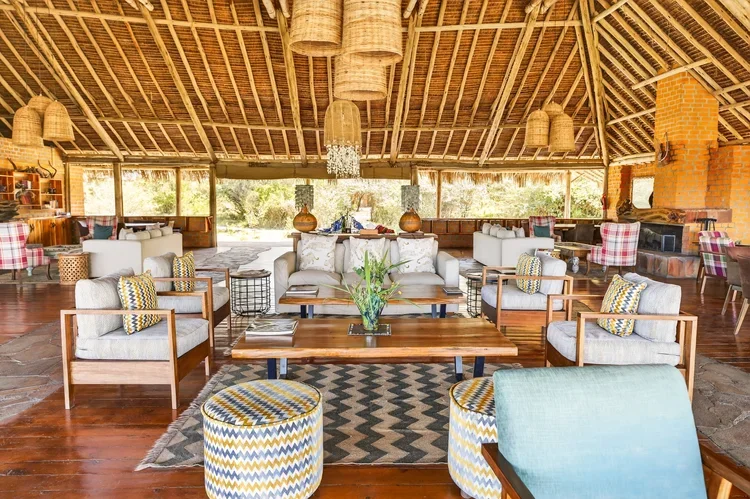
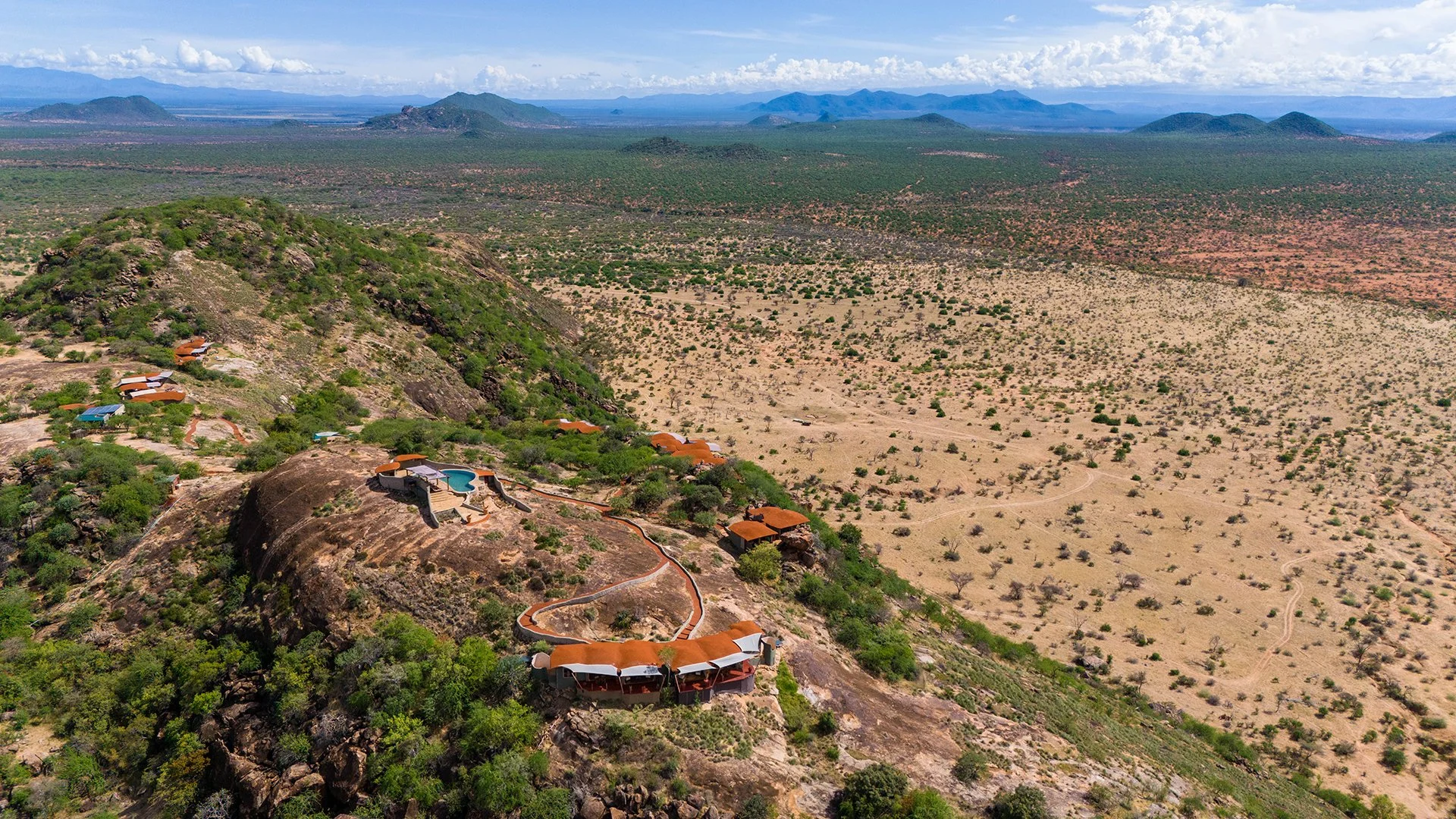
Far to the north, on the frontier of Kenya’s Northern Rangelands, the Namunyak Conservancy feels wildly different. Here, rugged red-soil plains and dry riverbeds give way to lush mountain forests and rocky gorges in the shadow of the Matthews Range where you can find the soulful Sarara Camp.
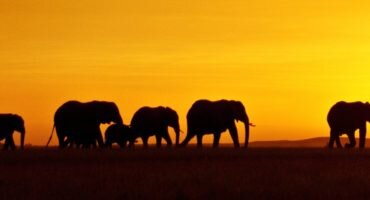
This is true wilderness, far from any proper town, yet shared with Samburu pastoralists whose nomadic lifestyle and culture are deeply integrated into the conservation model. The area is famous for the “singing wells,” where Samburu warriors chant traditional songs as they draw water for their livestock, sharing the landscape with elephants, reticulated giraffes, Grevy’s zebras, leopards, African wild dogs, gerenuks, and greater kudu.
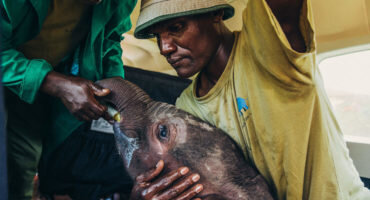
Namunyak is also home to innovative community projects. Mobile Montessori schools serve pastoralist children who move with their families and herds. The Reteti Elephant Sanctuary—the first community-owned elephant orphanage—has become a powerful symbol of what locally led conservation can achieve. Their inspiring milk-to-market program has created a new livelihood for Samburu women, who sell their goat milk to nourish orphaned and injured baby elephants.


The People
Throughout this trip, I was hosted and guided by extraordinary people: longtime friends who have helped shape the safari industry and inspiring young professionals rising through the ranks.
Musty is an accomplished guide and photographer whom we’ve known for decades, and he has guided countless Next Adventure clients. He grew up in Samburu country, with faint memories of being tucked into a saddlebag on a donkey as a baby, traveling through the night under the stars while his parents searched for fresh grazing for their livestock. As a young man he had a chance encounter, helping a stranger with a flat tire; that stranger brought him into the safari world more than 25 years ago.
Daniel was born and raised on the Mbirikani Group Ranch, and he hopes never to leave. He carries a profound pride that his homeland is protected, and as a guide he gets to introduce visitors to this spectacular landscape. One windy afternoon I handed him a stunt kite; within minutes he was flying it like a pro, and I wasn’t sure he was going to give it back.
On Lewa, I reconnected with Johnson and Karamushu, who hosted our family almost ten years ago, when Johnson became fast friends with our daughter. Karamushu’s kindness and leadership are legendary, and he was instrumental in the success of our project with Anthony Bourdain’s “No Reservations” Kenya episode.
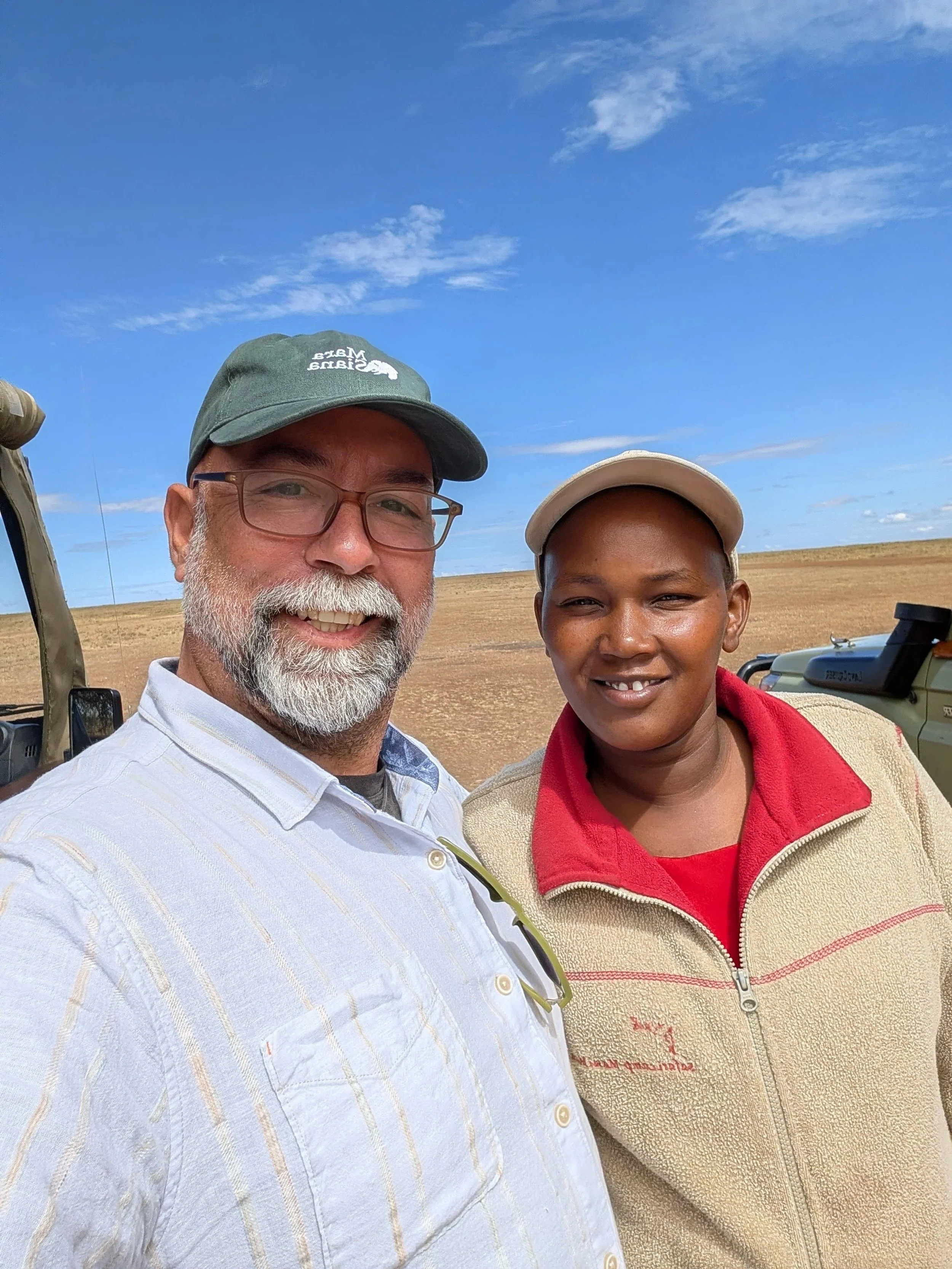
In Naboisho, I spent a few days with Sasha, a young woman who started in an entry-level position at a safari camp that later sponsored her to attend hospitality school and a guiding program. Today, she is a professional guide at Saruni Leopard Hill, her family’s main breadwinner, and an elder in her community—a living example of what meaningful opportunities in tourism can unlock.
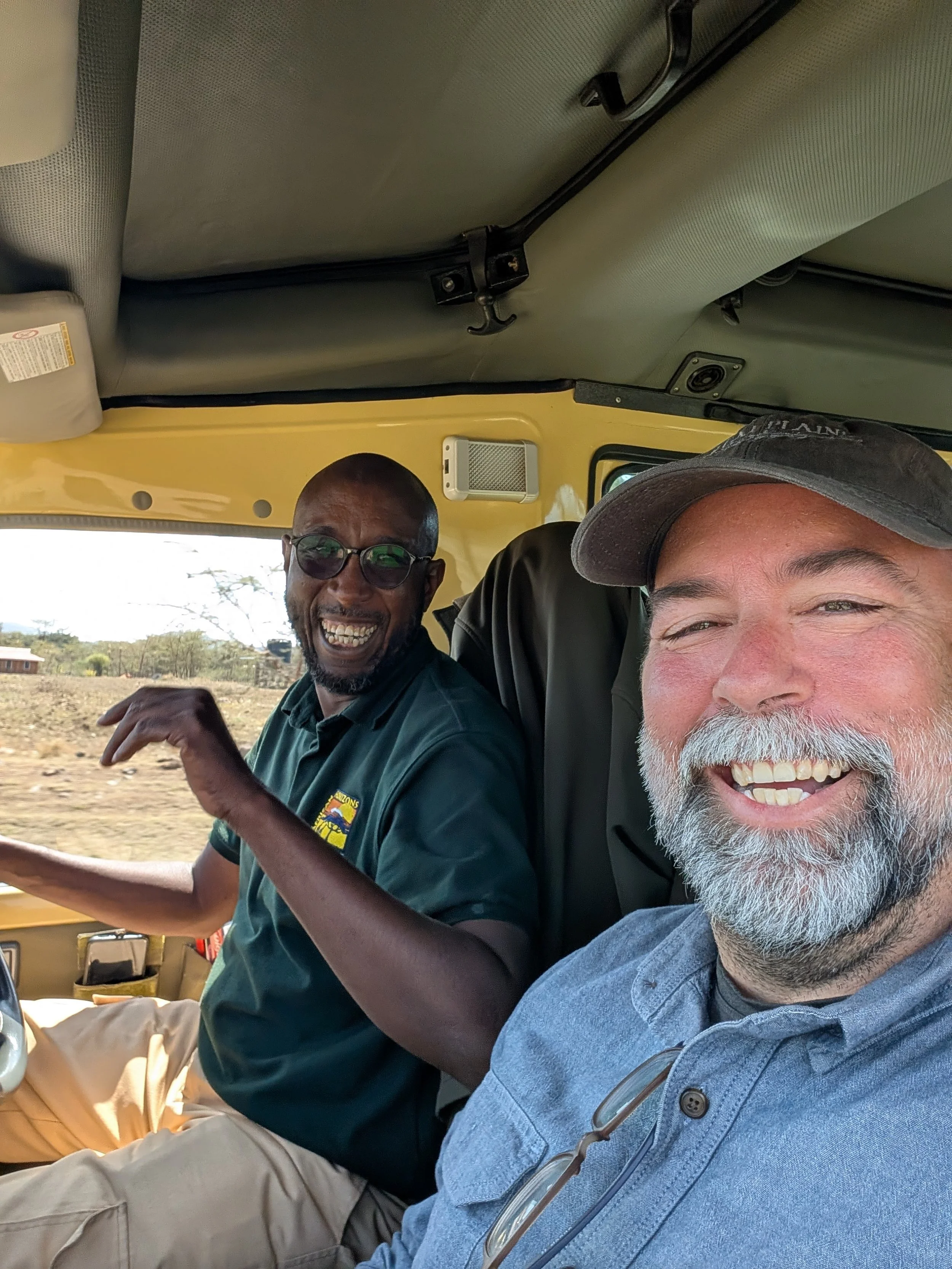
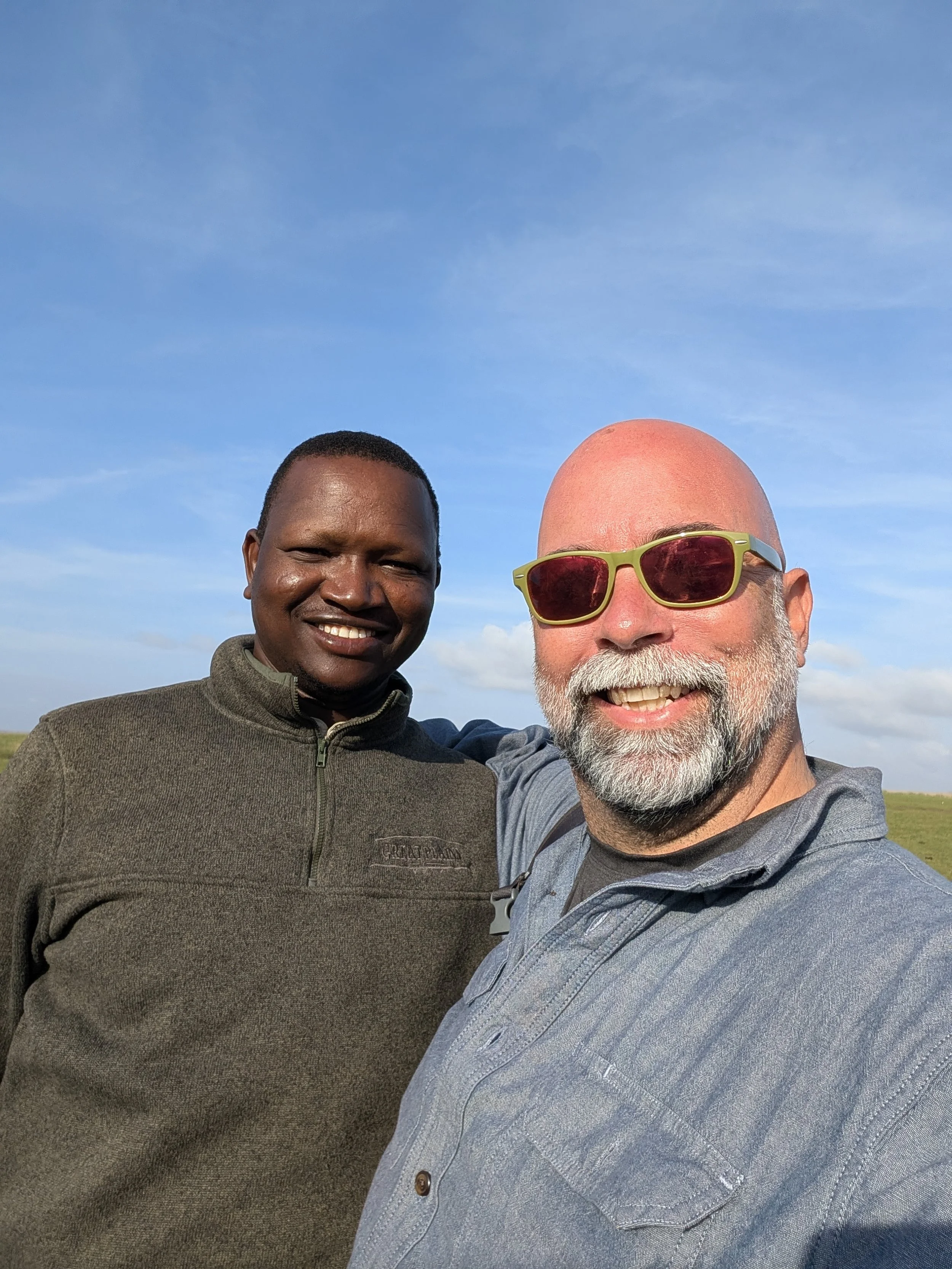
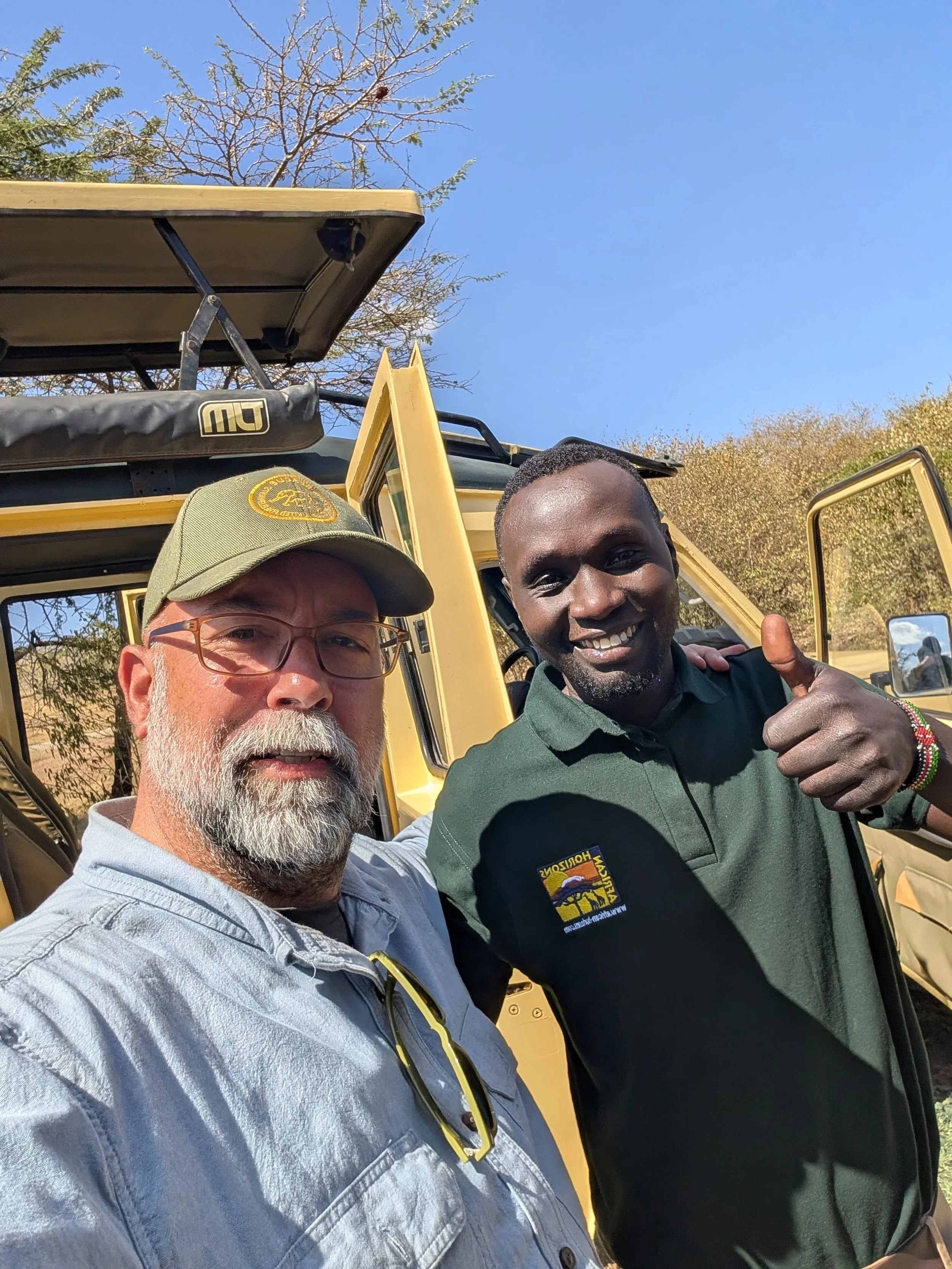
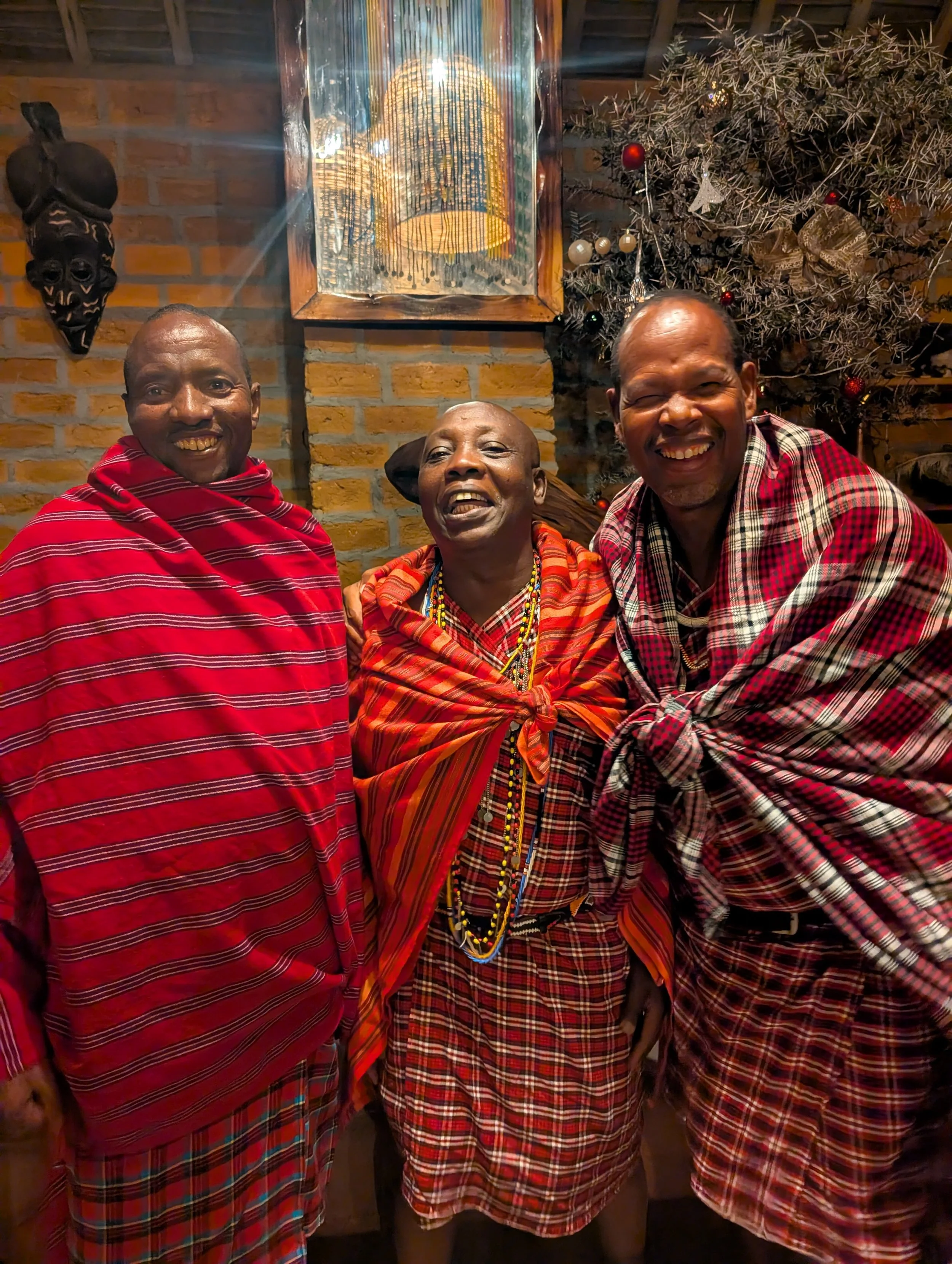
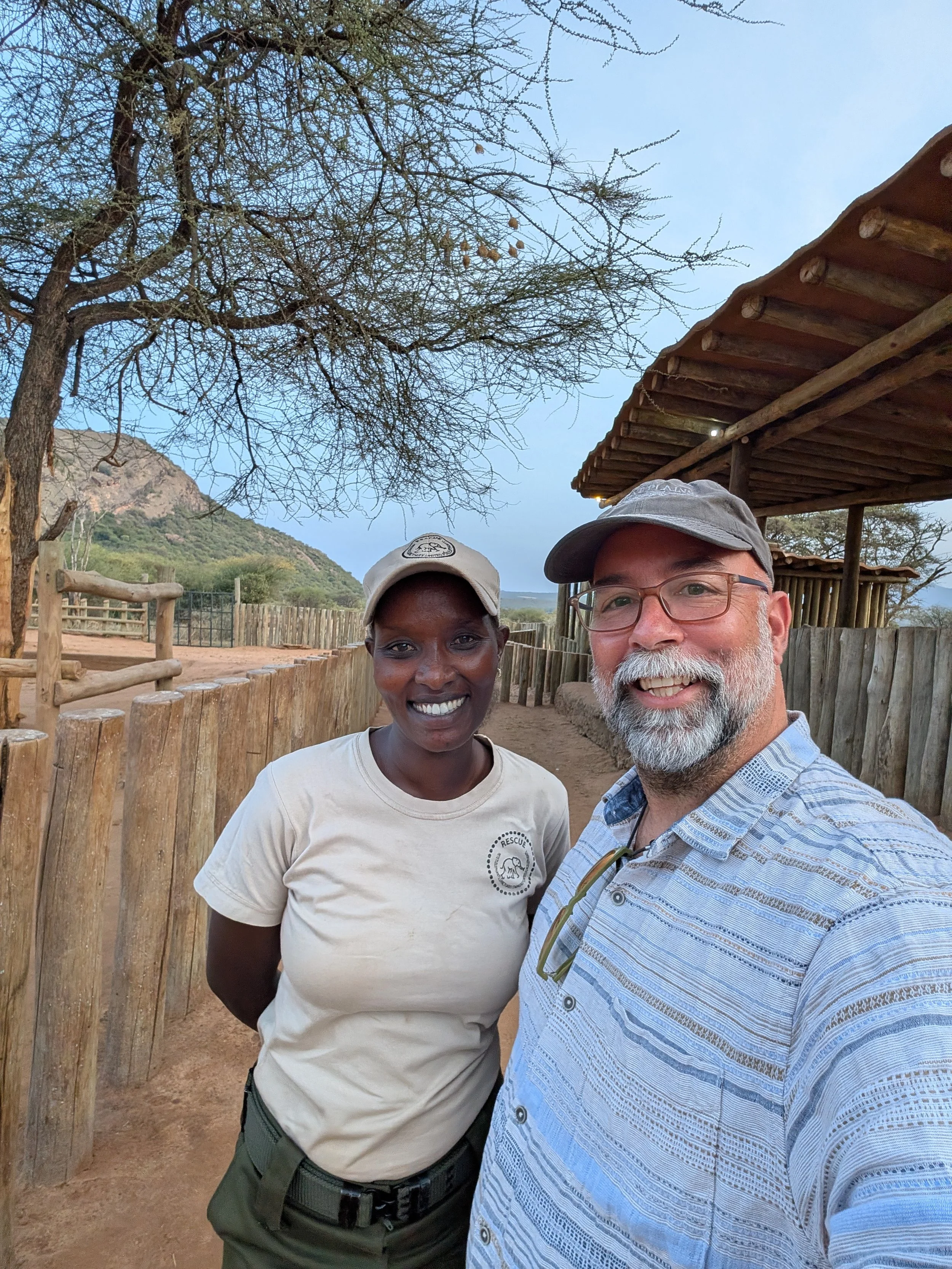
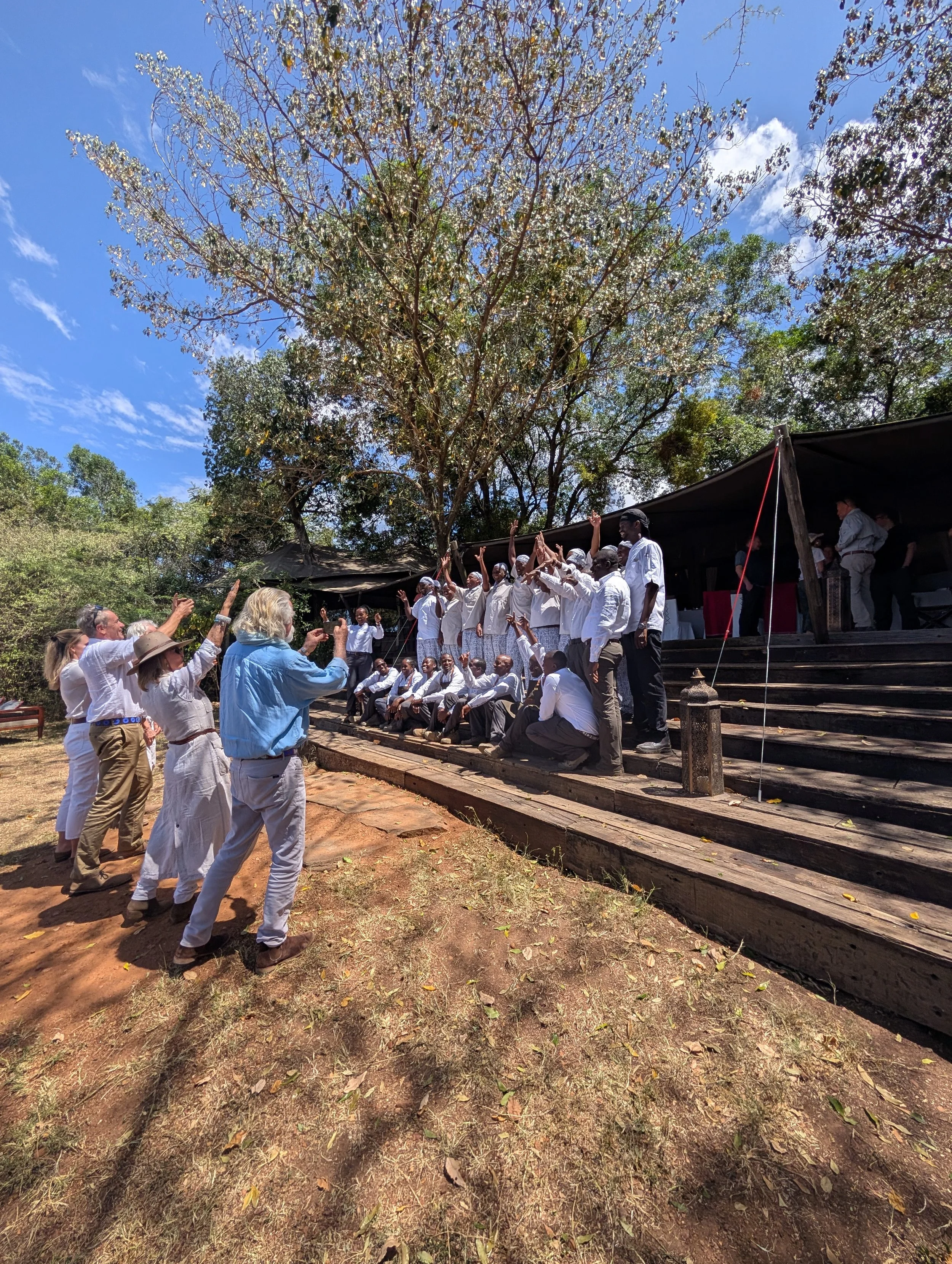
Mwok is “pretty sure” he might be the only Pokot in the tourism business. I’ve done a couple trips with him, and I’m always impressed by how perceptive he is, meeting people from all over the world and introducing them to people all over his country.
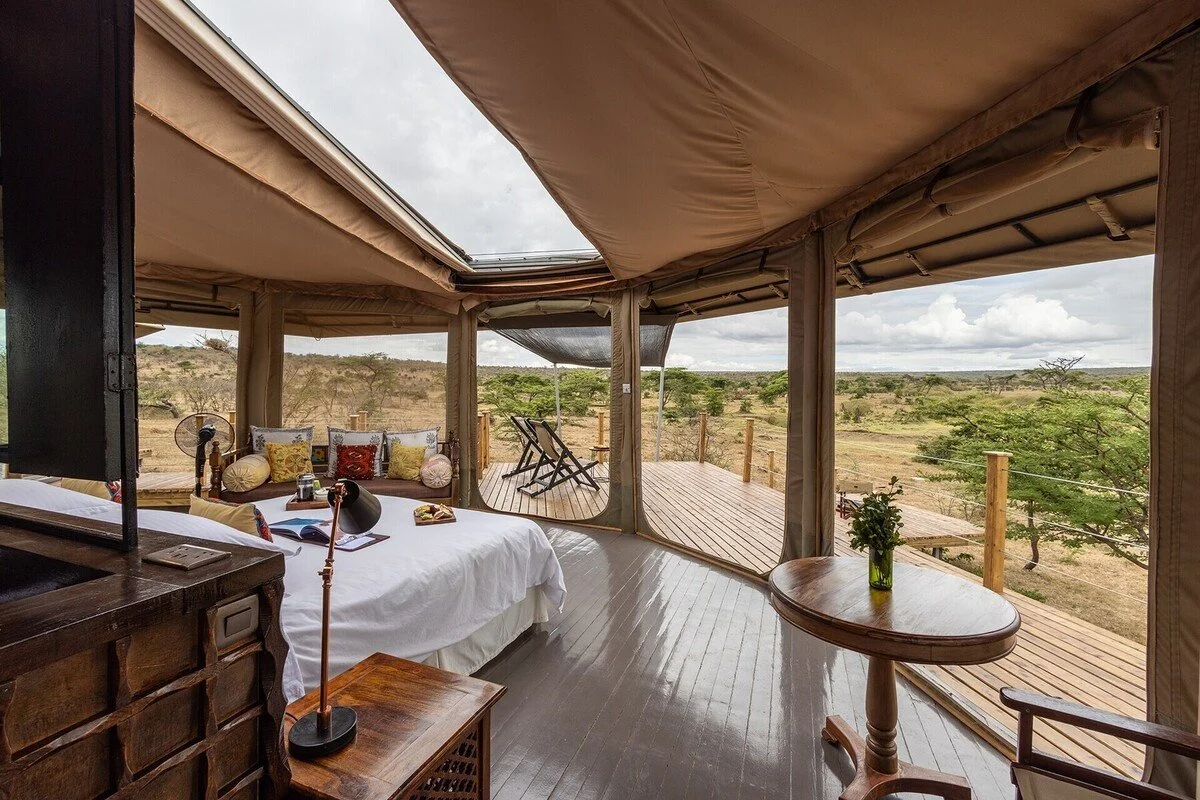
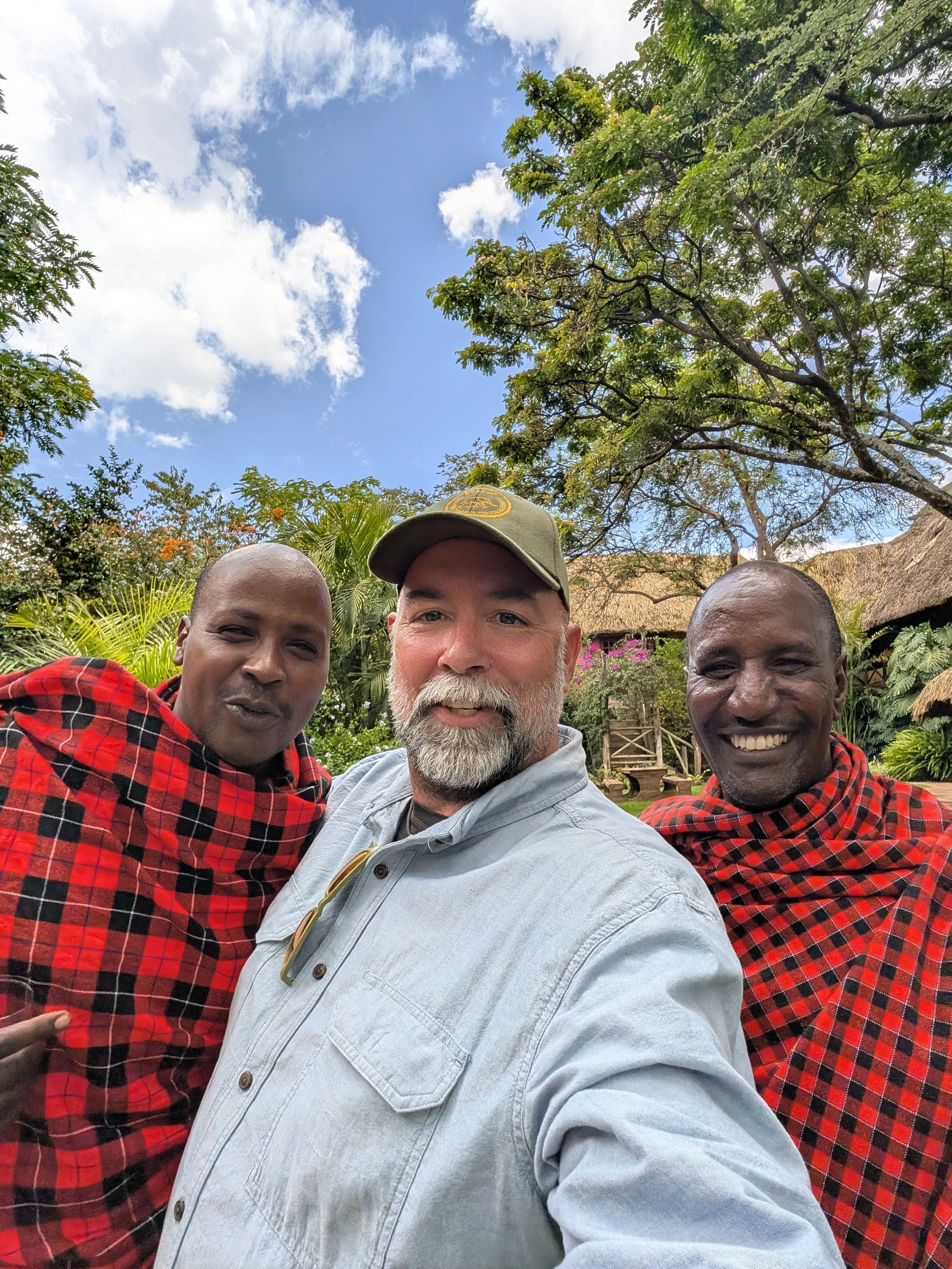
And near the Mara, I shared a laugh with a legendary trio of guides, Jackson Looseyia, Salaash Morompi, and Fred Ronko, who operate one of the few Maasai-owned camps, Mara Siana, in the most recently established community conservancy in the greater Mara. It is a truly home-grown project, a family affair, and hopefully a sign of a growing trend toward locally owned and operated camps on community land.
Dorothy is known as the Elephant Queen. She’s been with Reteti from the beginning, starting out as an Elephant Keeper, welcoming baby elephants carrying unimaginable trauma, and now she is part of the management team and role model for her community.
I could go on and on, but mostly I hope to continue exploring these wild areas, meeting these extraordinary people, and sharing their stories. It is a great honor to connect our clients with these experiences and support the people who are making a difference on the ground. I hope you’re inspired to learn more, and maybe one day to see for yourself how these landscapes, communities, and conservation projects fit together.
Favorite Moments
Stewardship Projects