Water Lilies in Hwange: A Season of Abundance
It was an extraordinary year to visit Hwange National Park. After receiving more than double its average rainfall, this typically arid, drought-prone landscape transformed into something altogether unexpected—lush, vibrant, and teeming with life in ways even seasoned guides found remarkable.
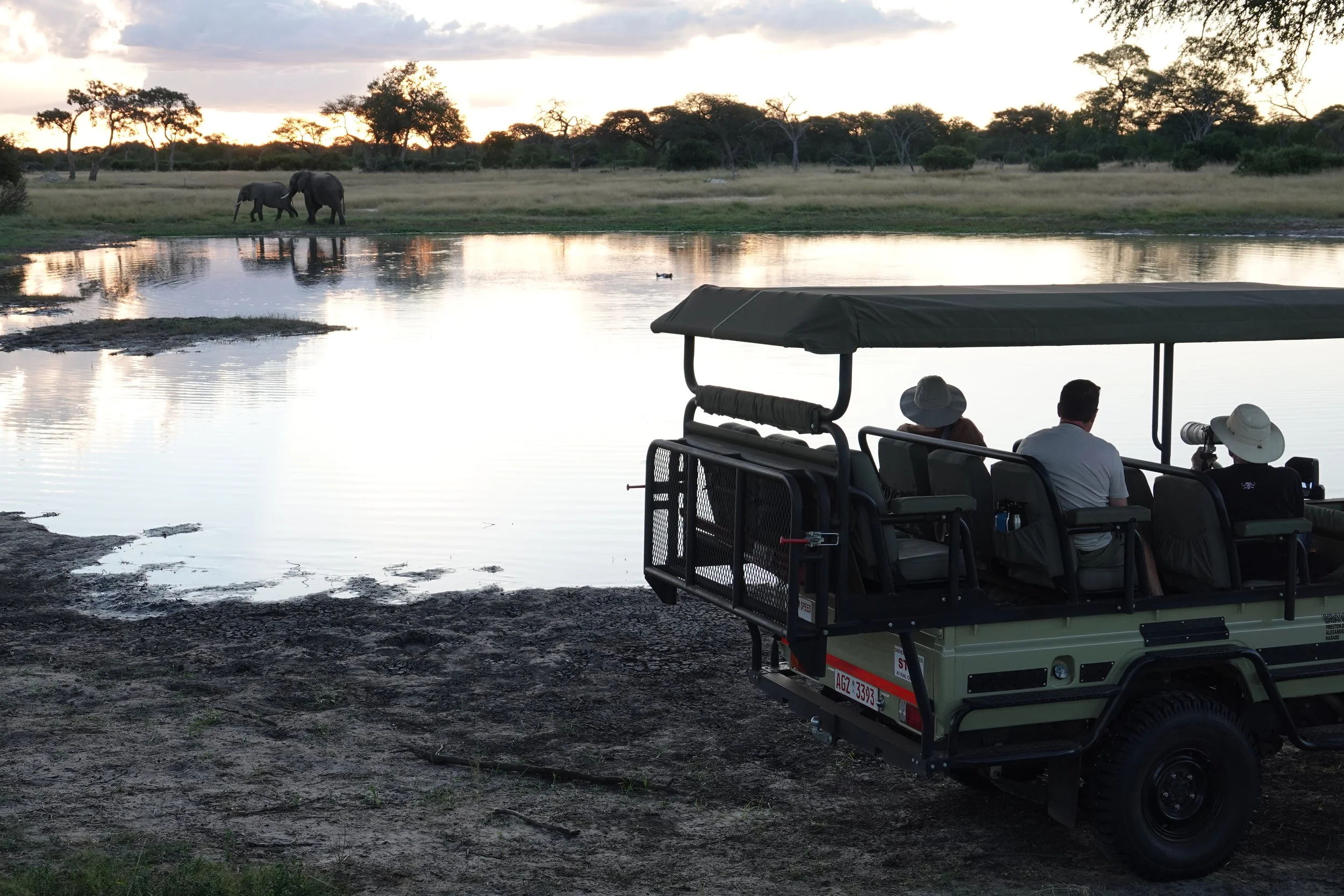
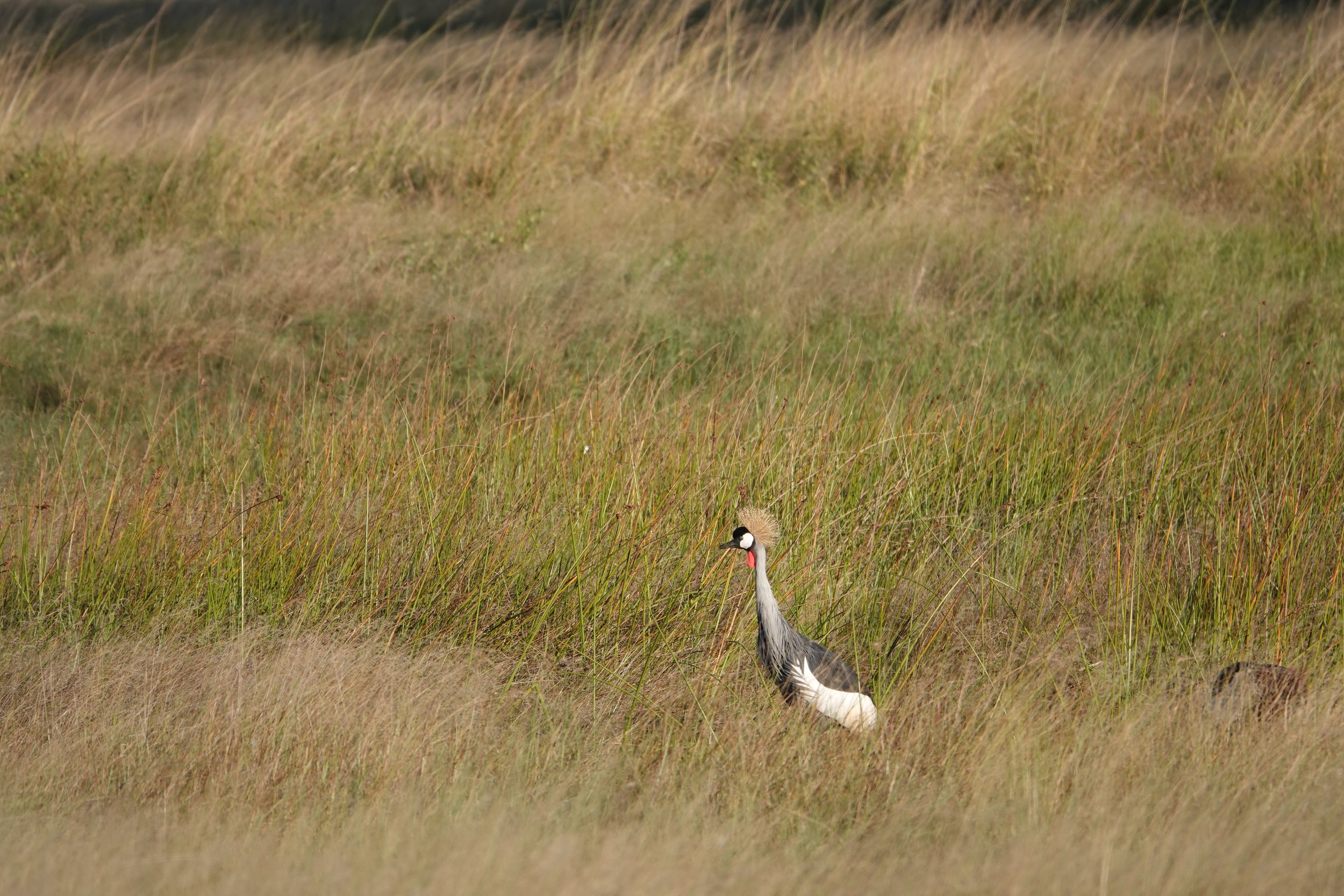
Hwange is best known for its massive elephant herds and exciting predator sightings, drawn to the park’s network of pumped waterholes. But this season, nature rewrote the script. Natural pans brimmed with water, grasses stretched high full of whistling ducks and frogs, and in a rare and fleeting spectacle, water lilies bloomed in places that are usually dry for much of the year.
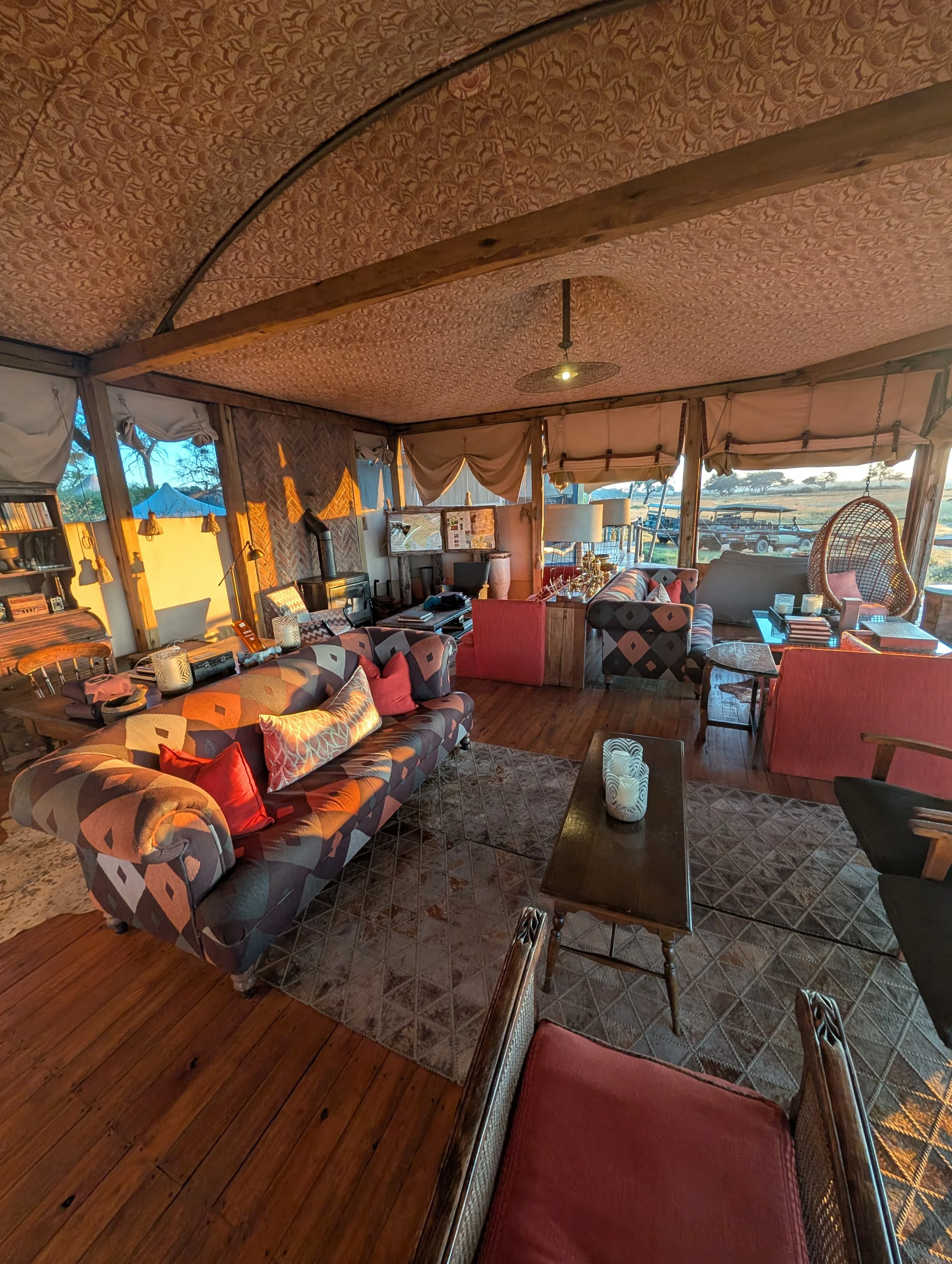
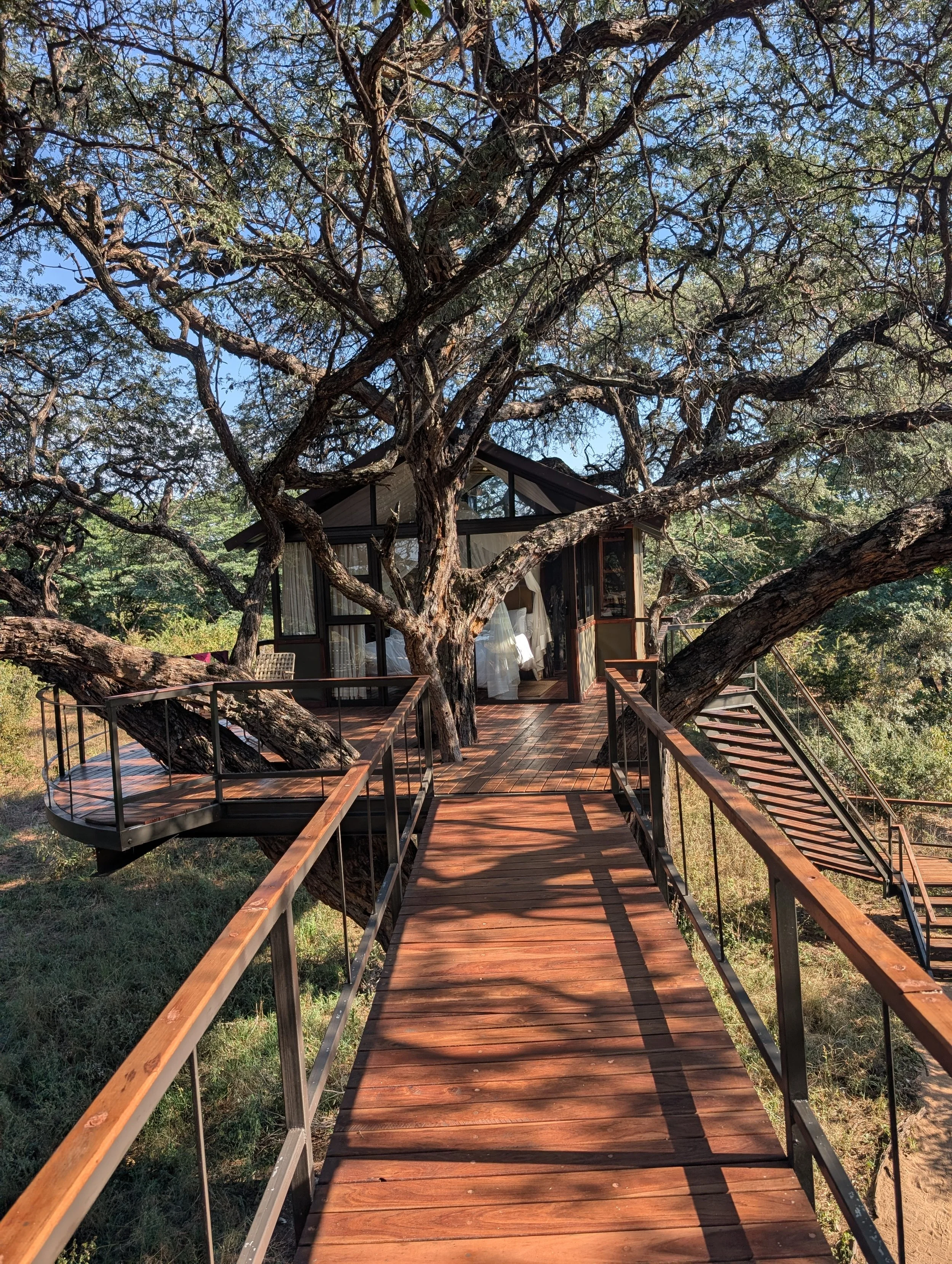
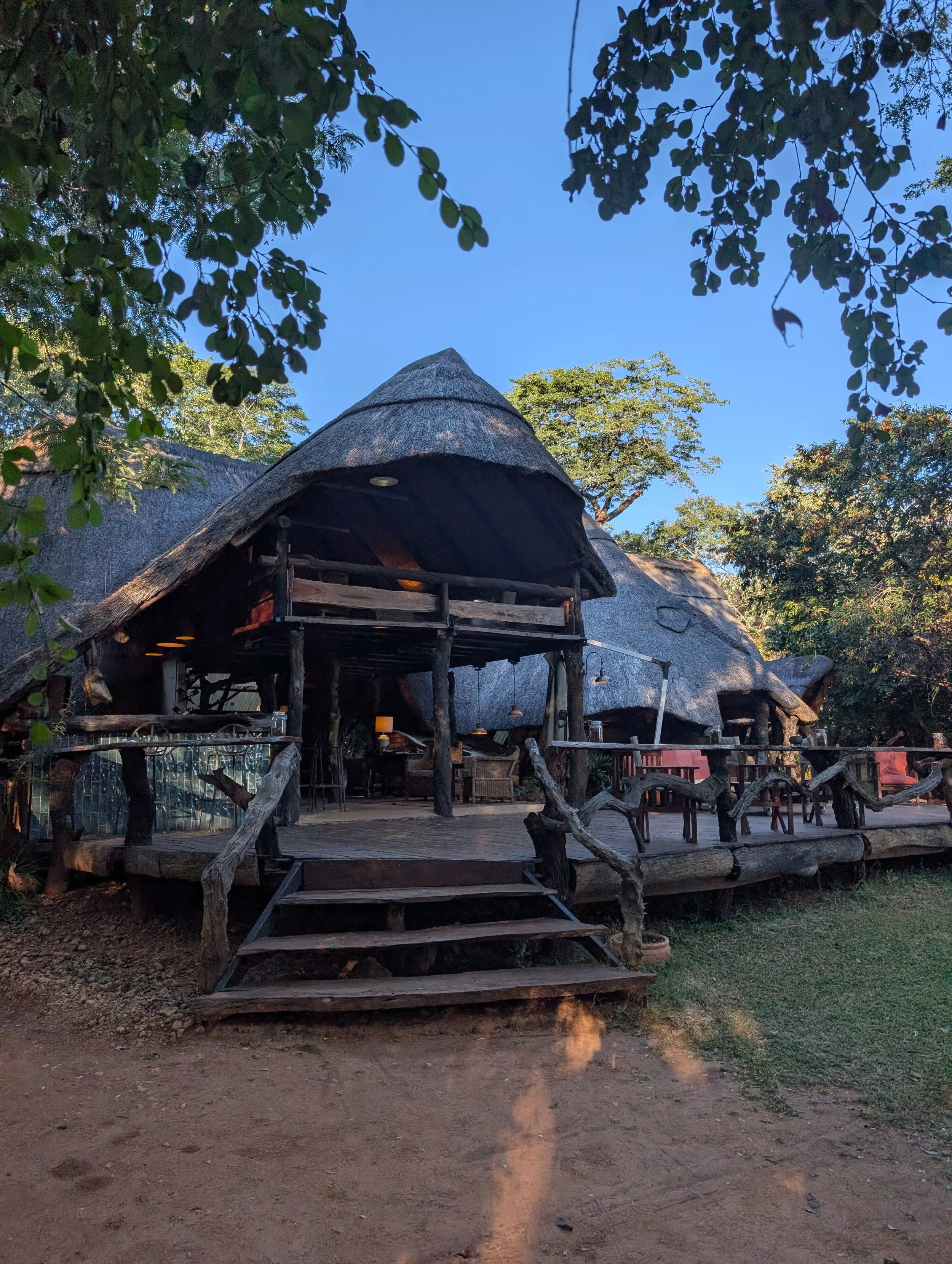
Over the course of two weeks, I traversed the park from the rocky outcroppings of Deteema Springs to the wide, open Ngamo Plains to the magical Dete Valley, seeing old friends, making new ones and sharing stories. The journey unfolded camp by camp—each with its own perspective on this unusually green Hwange.
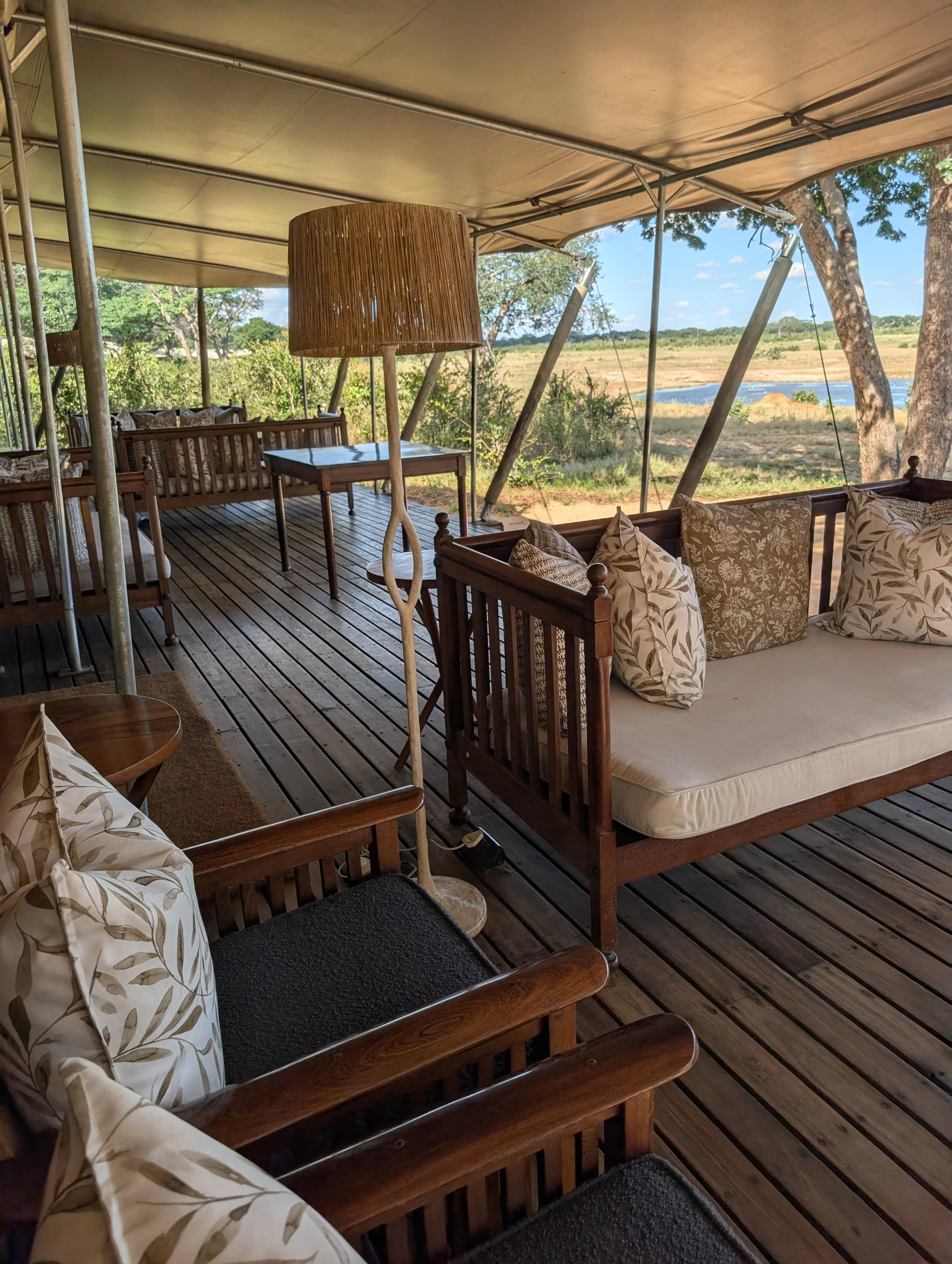
Camp Hwange is a classic, intimate safari camp with a relaxed bush atmosphere and access to wildlife rich waterholes and shady woodlands.
Verney’s Camp delivers a charming and stylish tented experience with a sense of remote exclusivity and a striking setting surrounded by wildlife.
Somalisa combines elegant design with exceptional wildlife encounters, particularly known for its close, immersive elephant interactions in a refined setting.
Little Makalolo features a notoriously active photographic hide and a polished tented camp in an area known for huge buffalo herds clashing with lions.
Bomani provides a traditional conservation-driven experience pairing uncrowded game viewing with a strong connection to community and rewilding efforts.
Logistically, the journey echoed the rhythm of the bush and its history. From camp to camp, I linked up with guides at remote pans and airstrips—Musoma, Gabulala, Manga, Ngweshla—each stop offering a different lens into the park’s shifting dynamics. In a year like this, even the most familiar wildlife areas were transformed, rewarding patience and deep local knowledge.
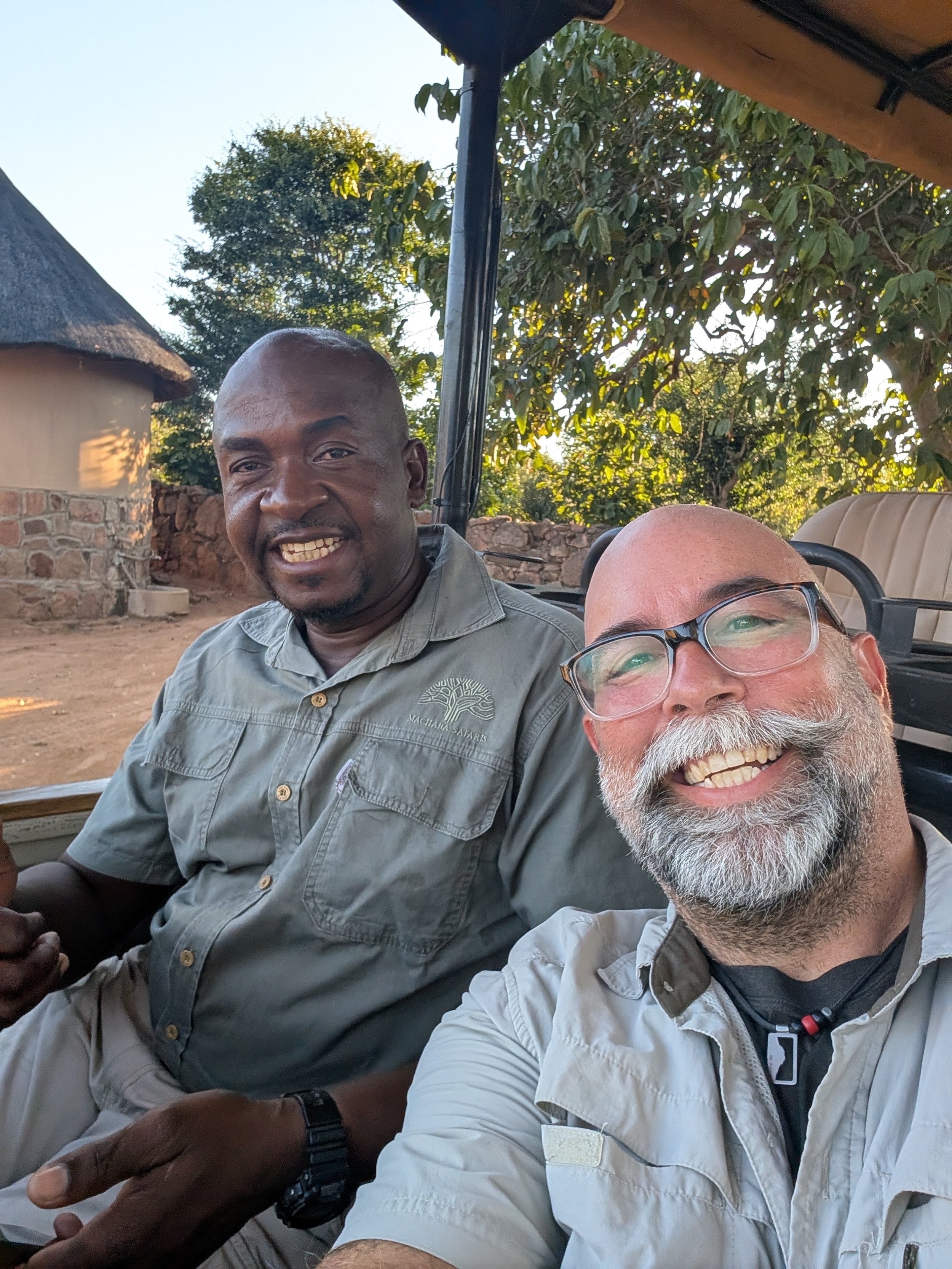
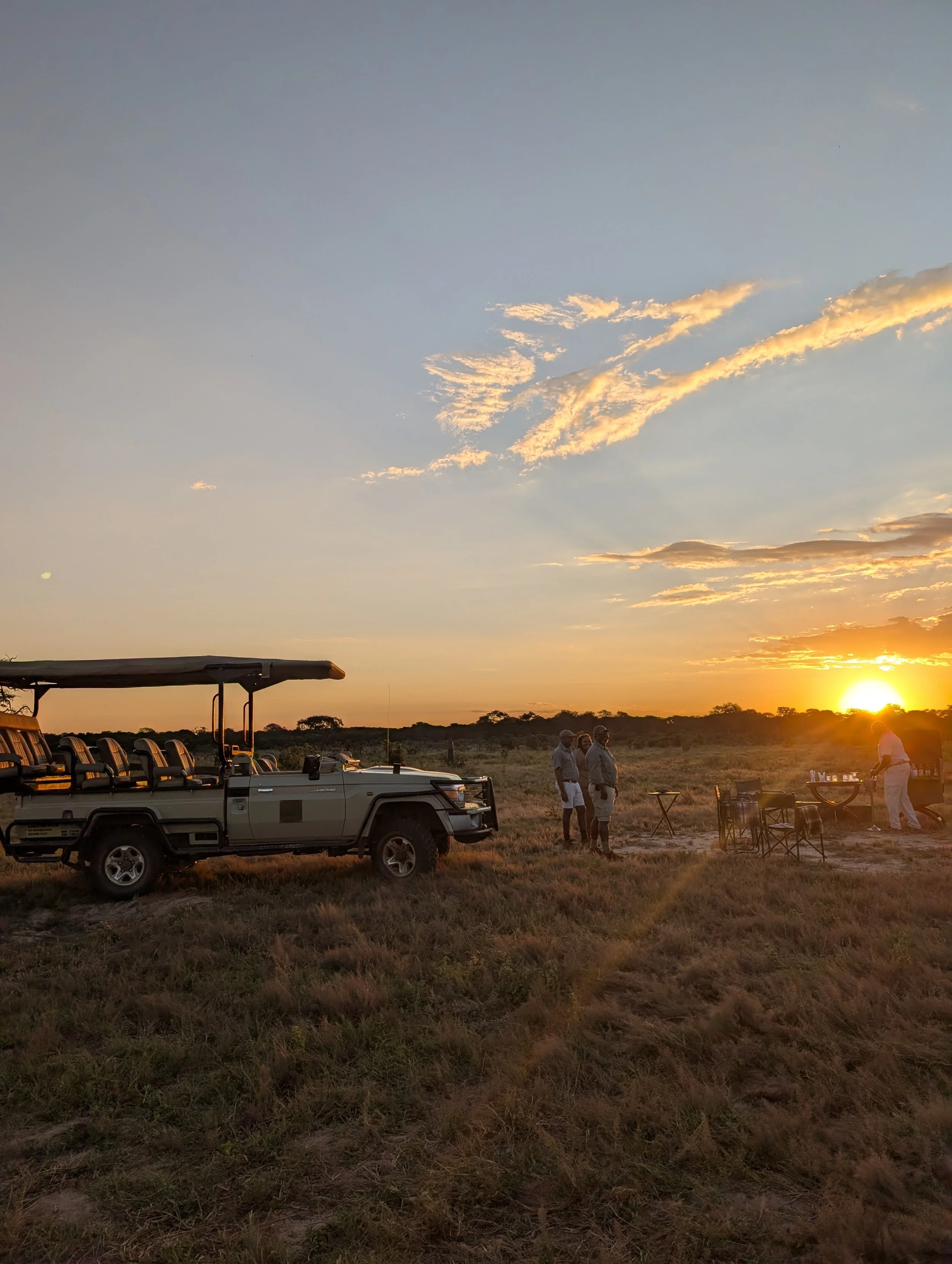
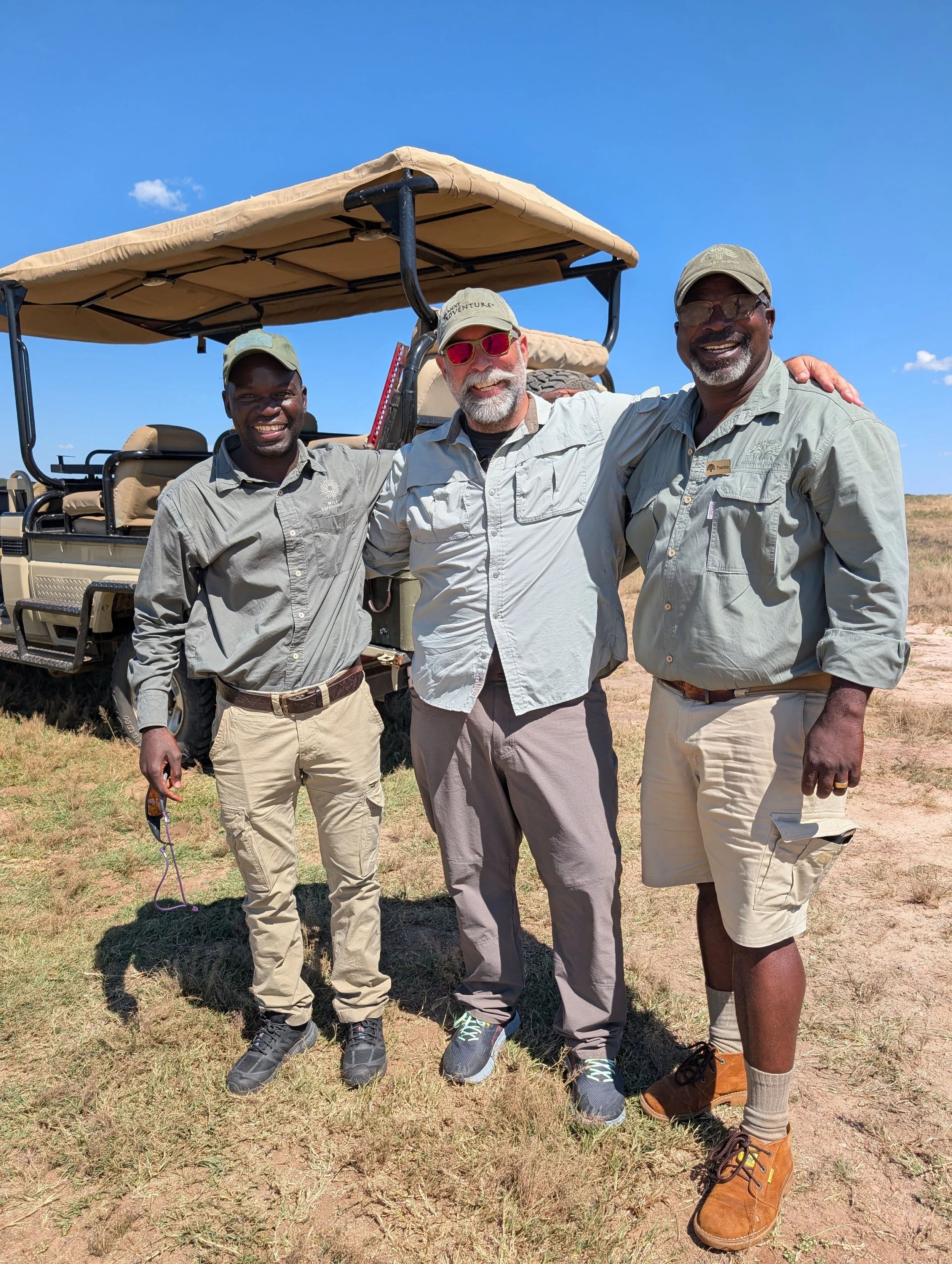
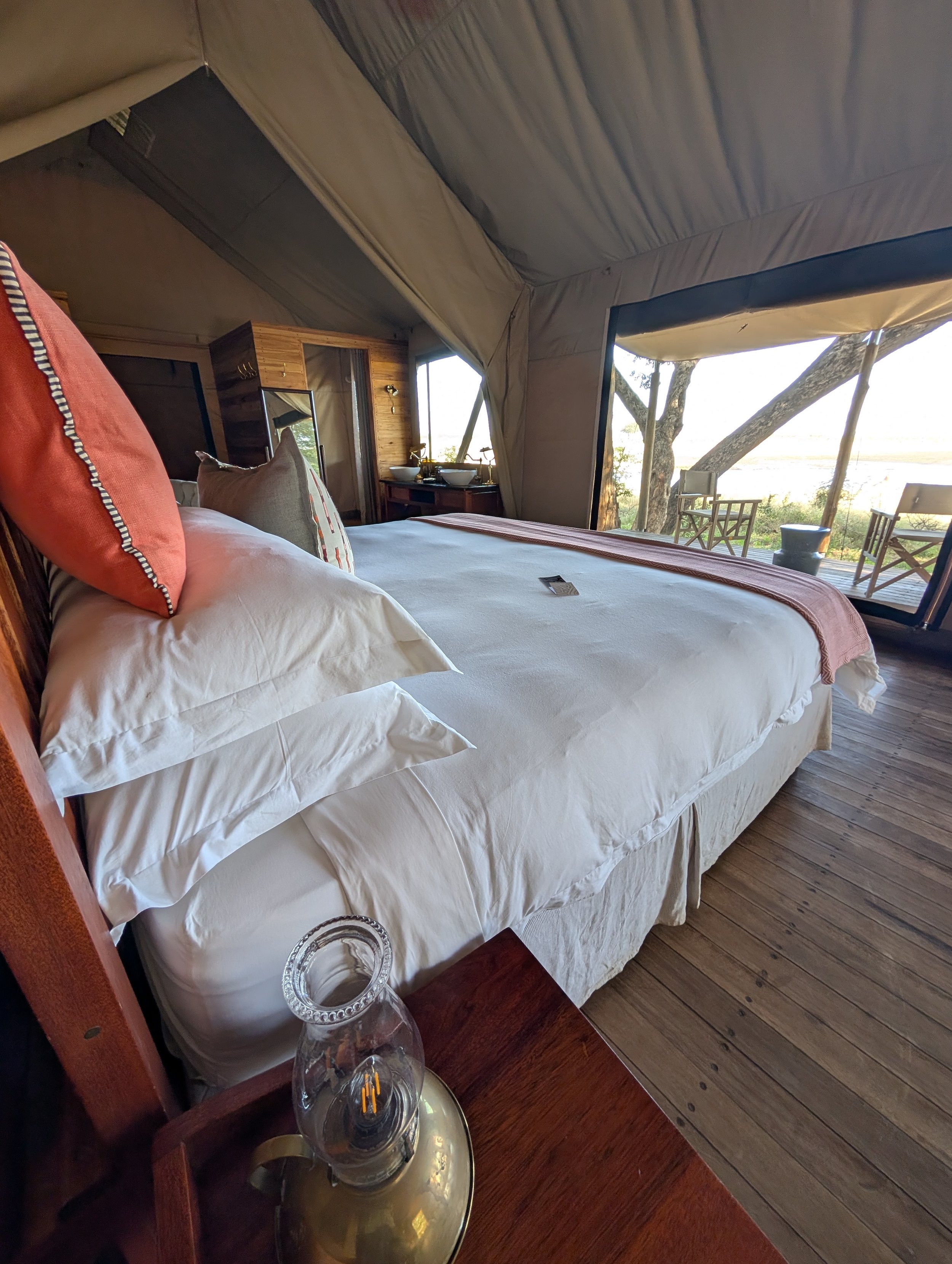
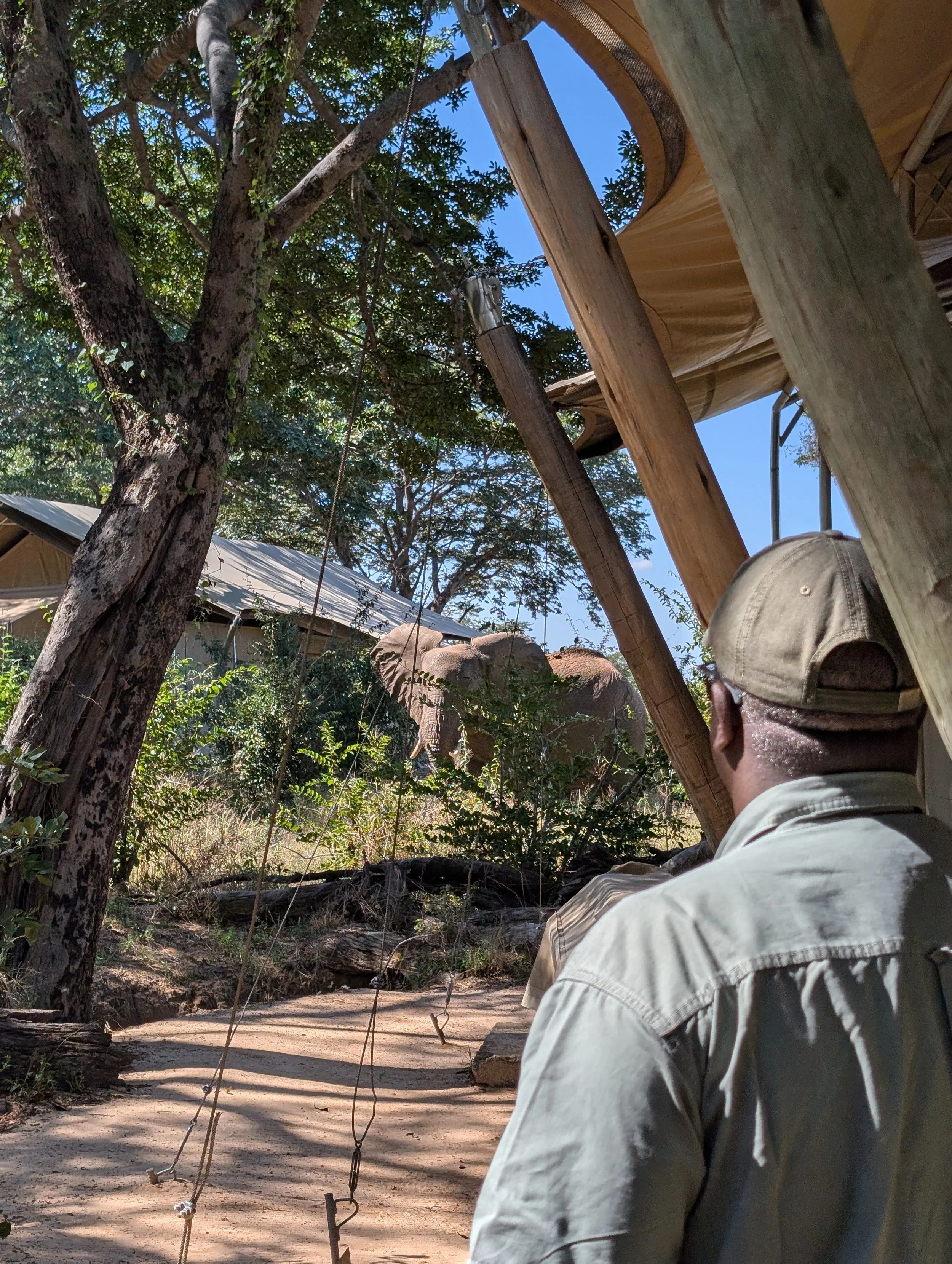
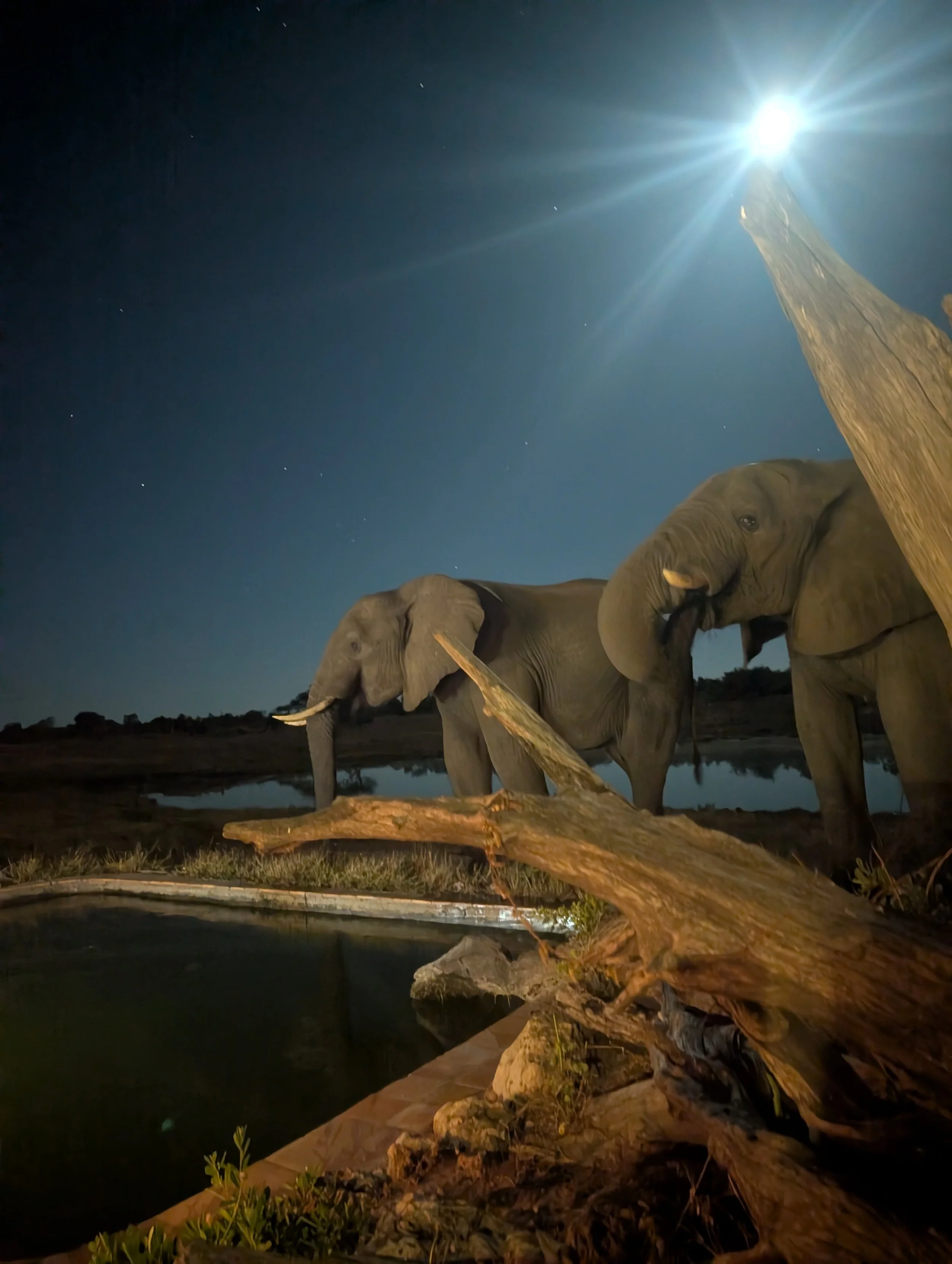
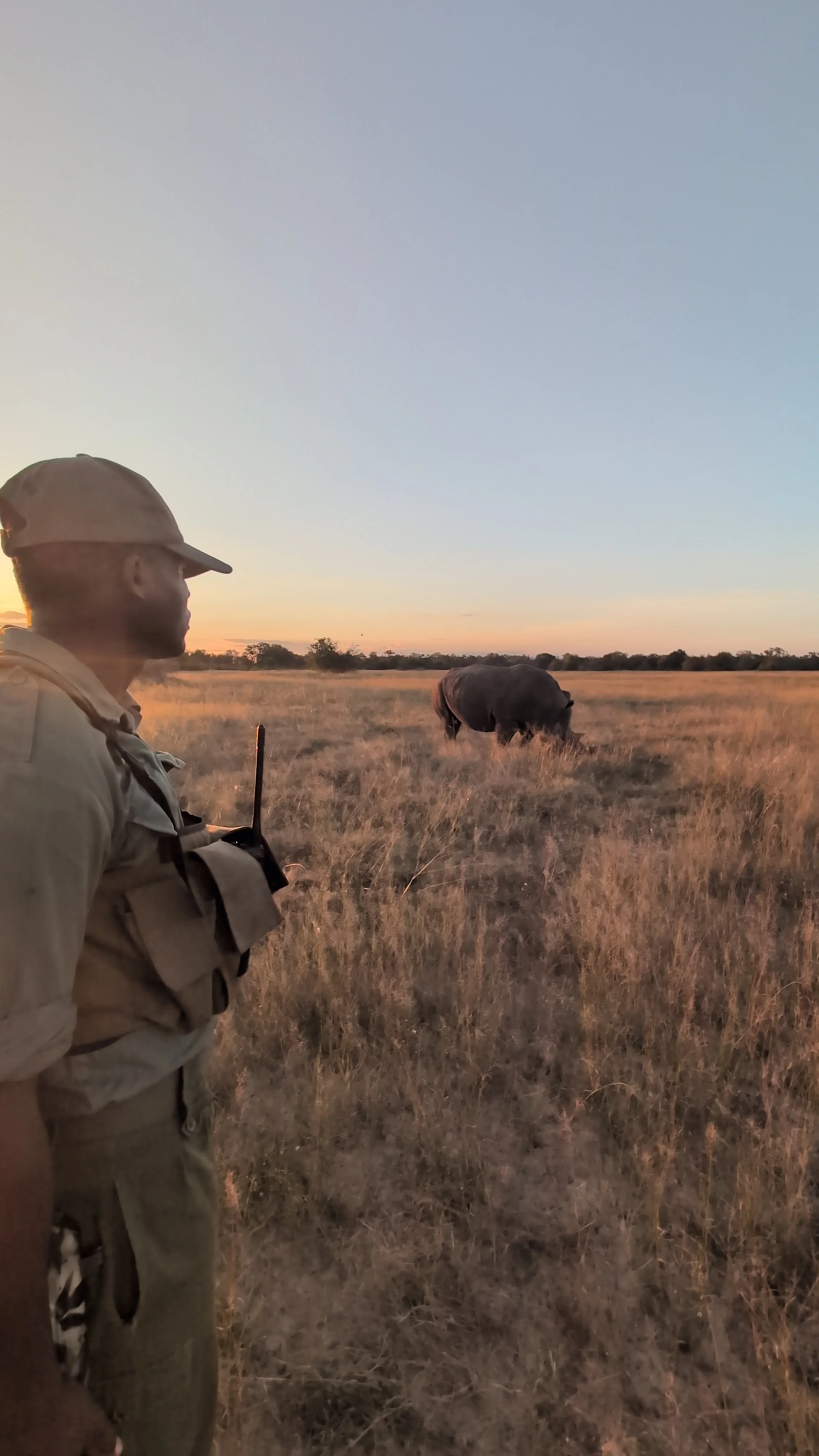
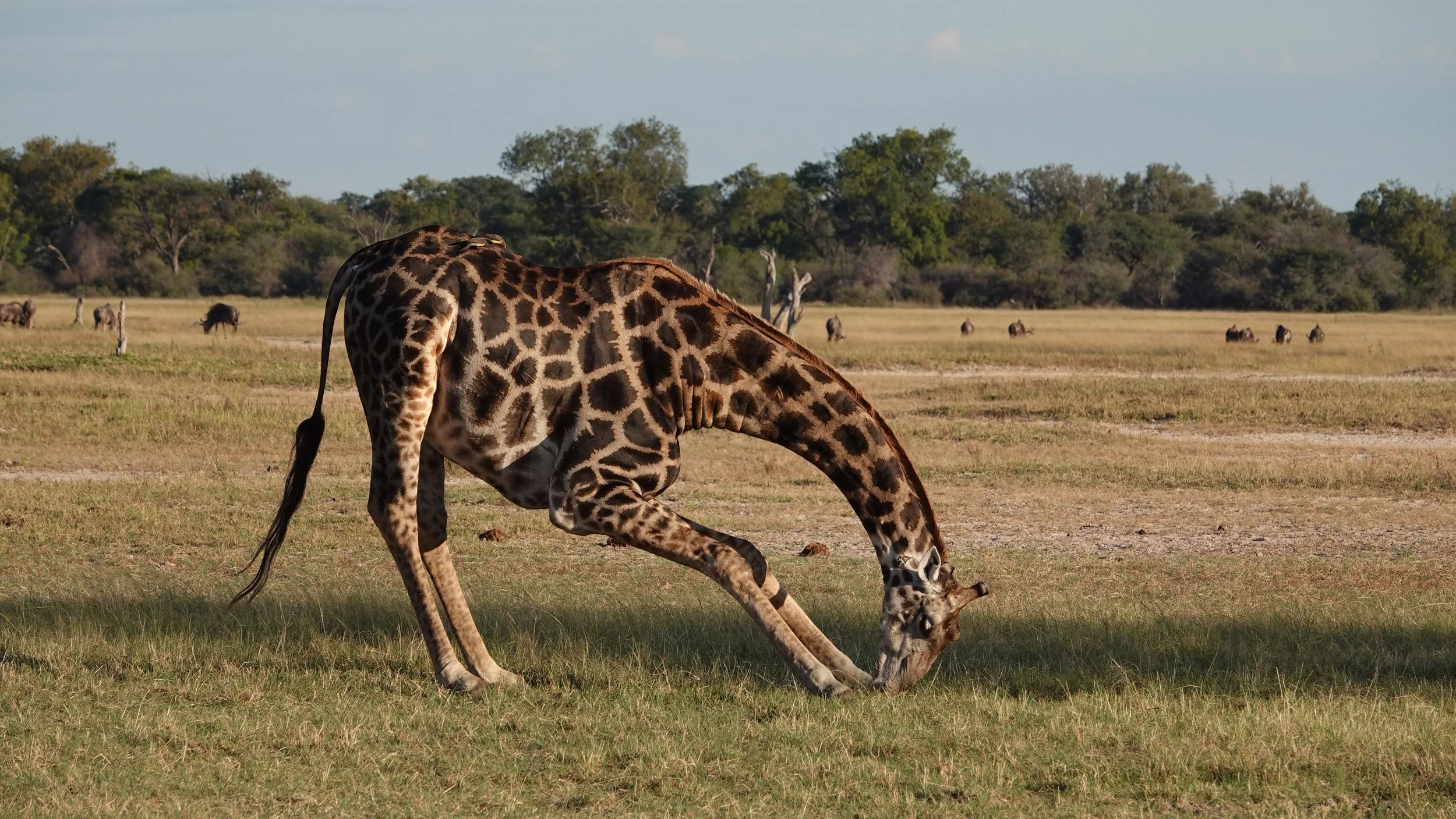
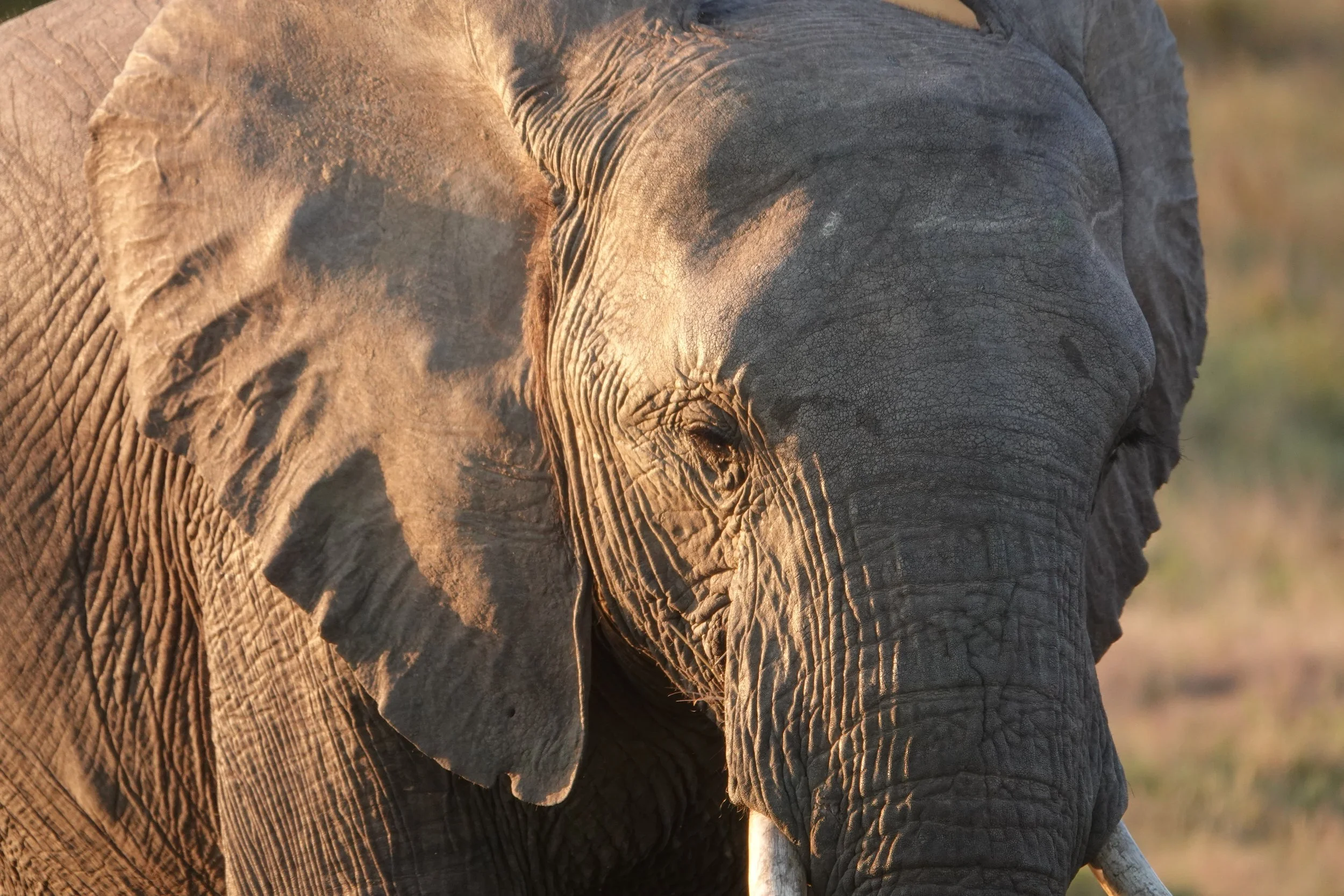
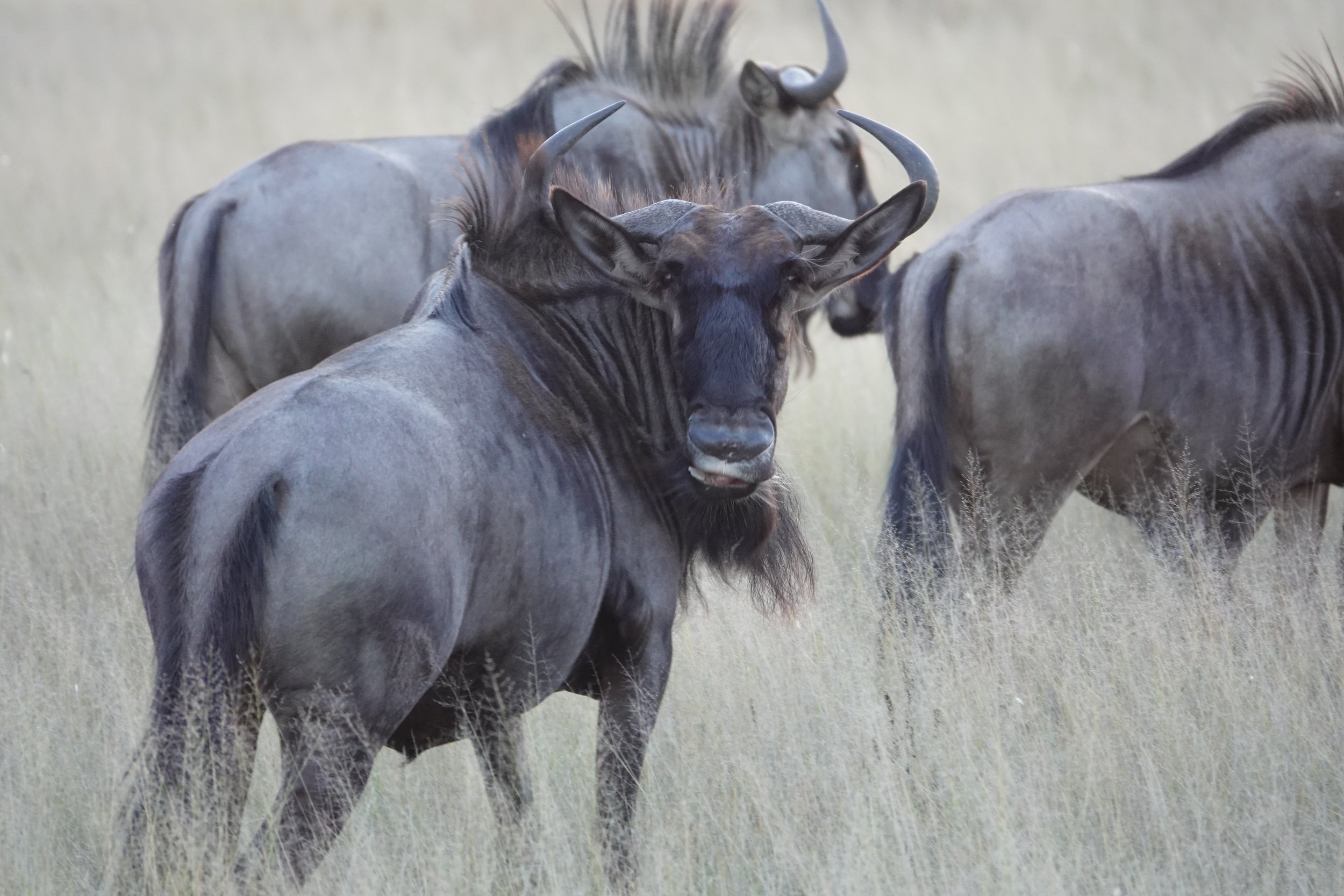
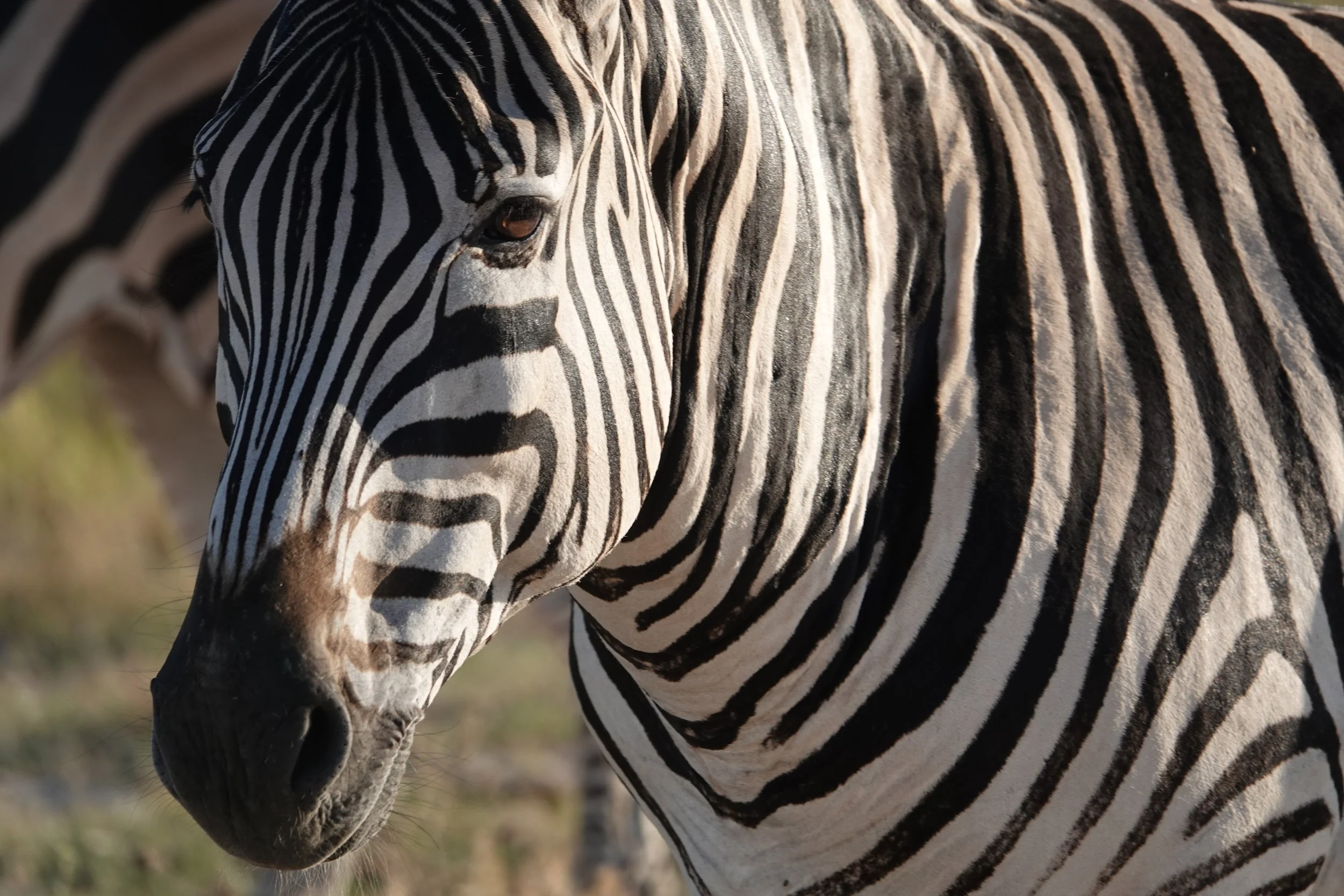
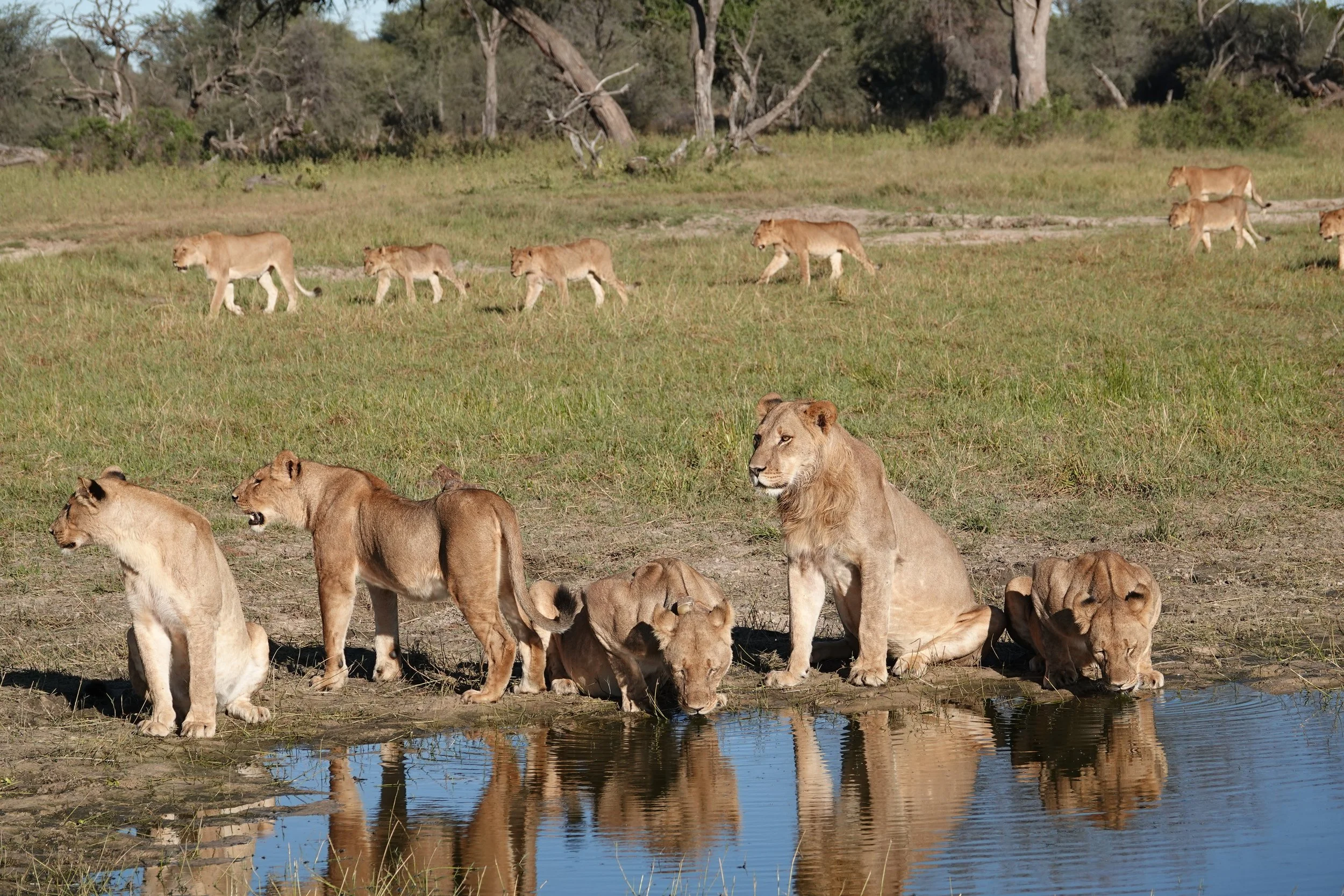
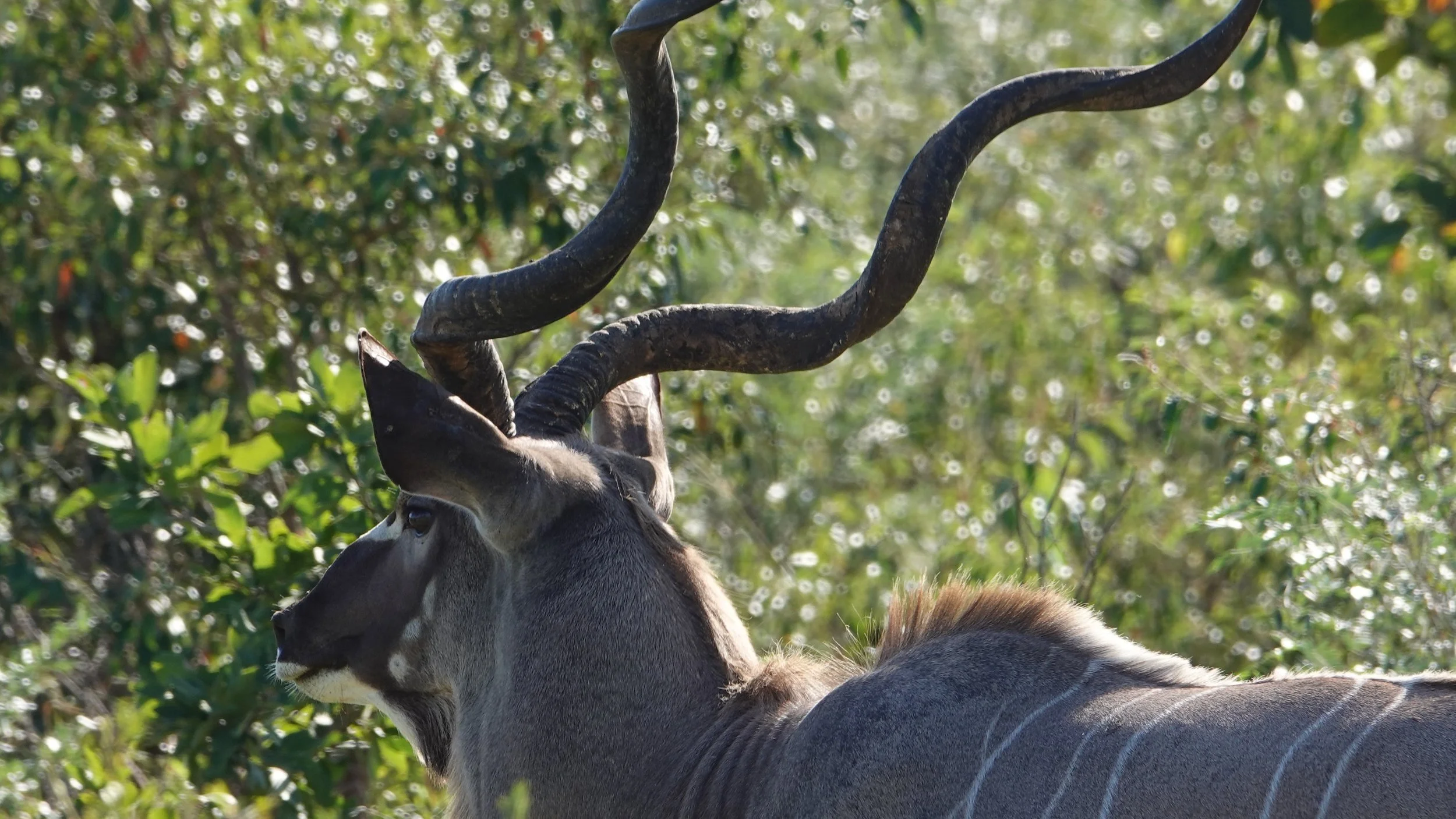
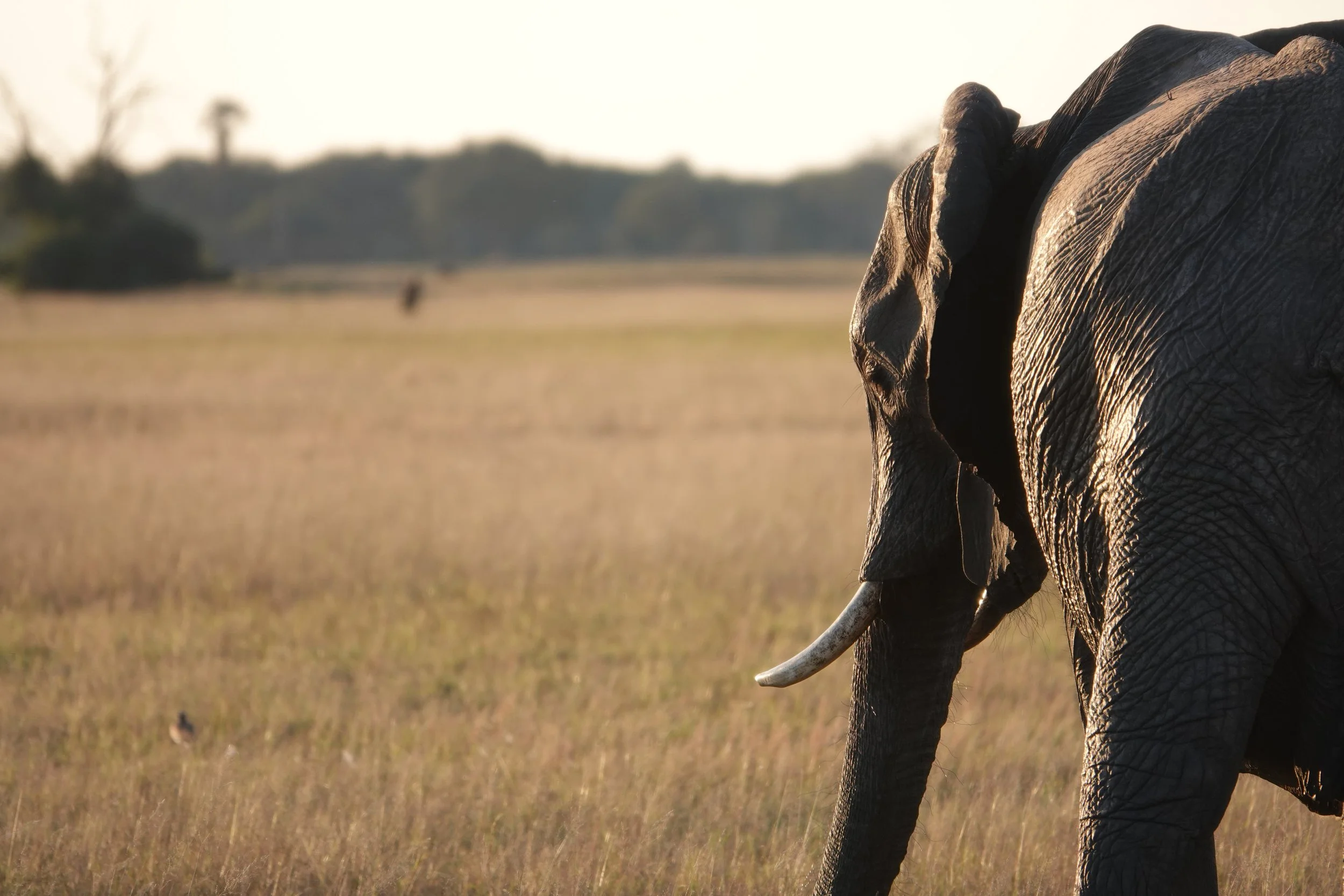
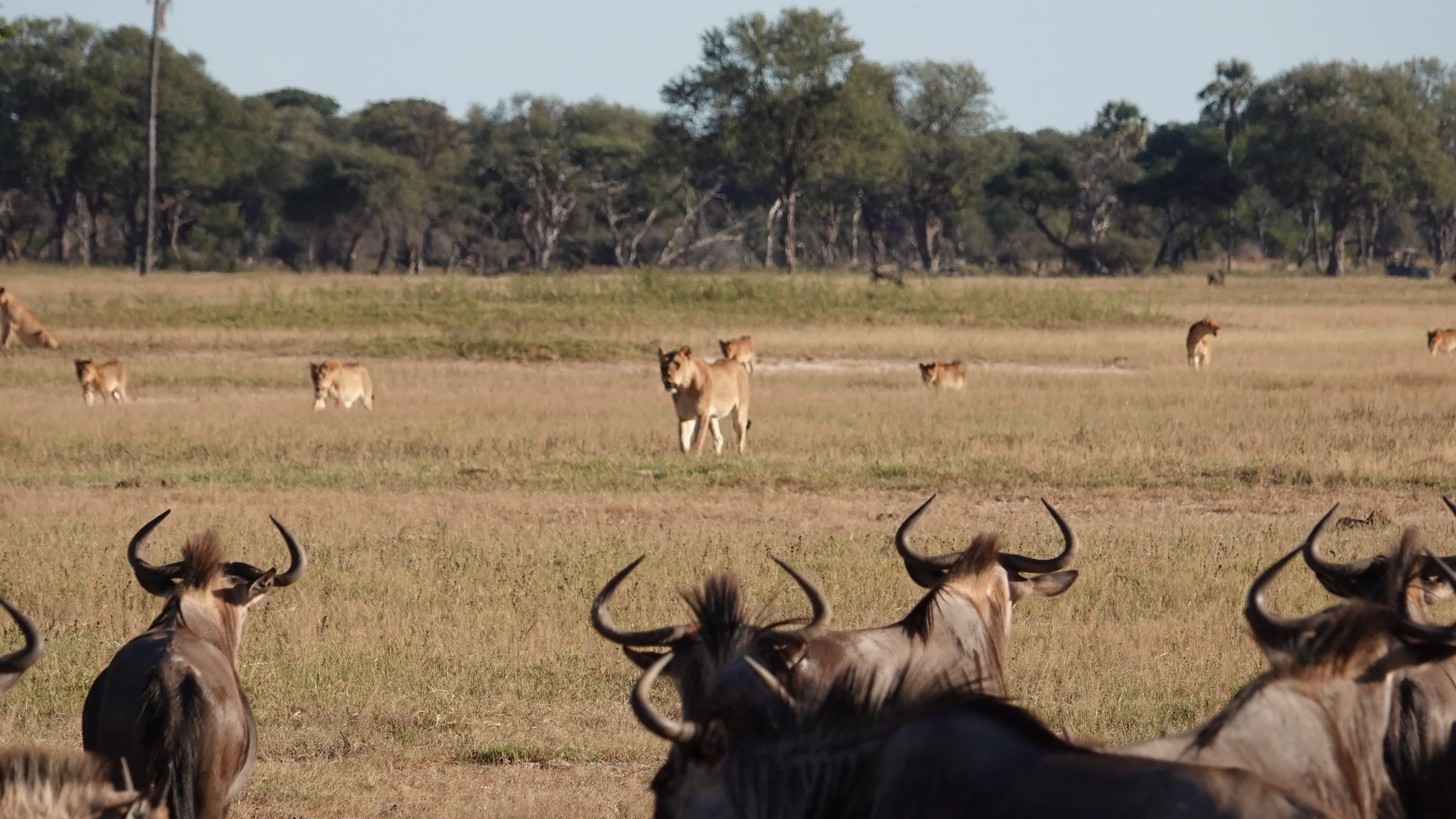
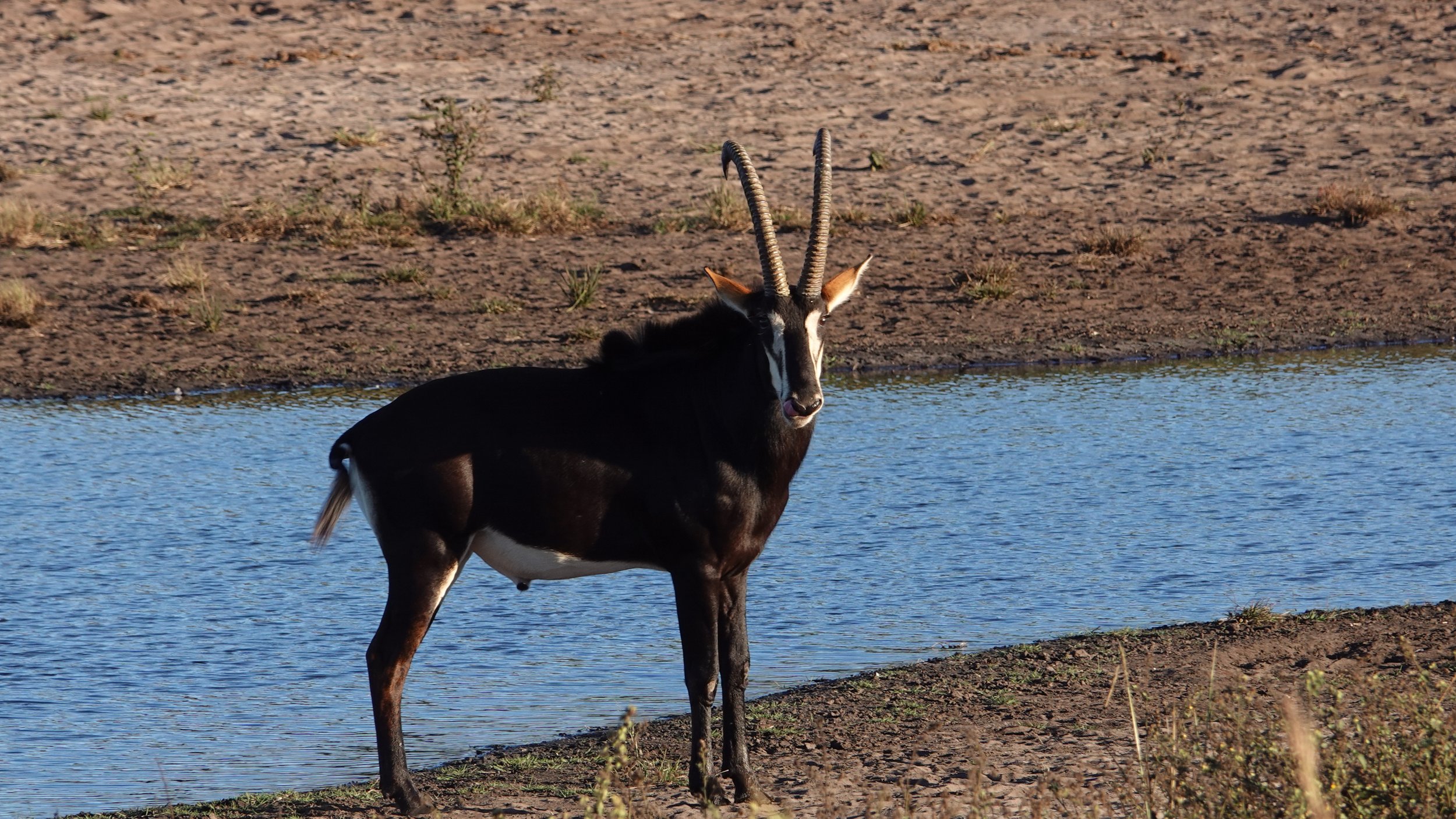
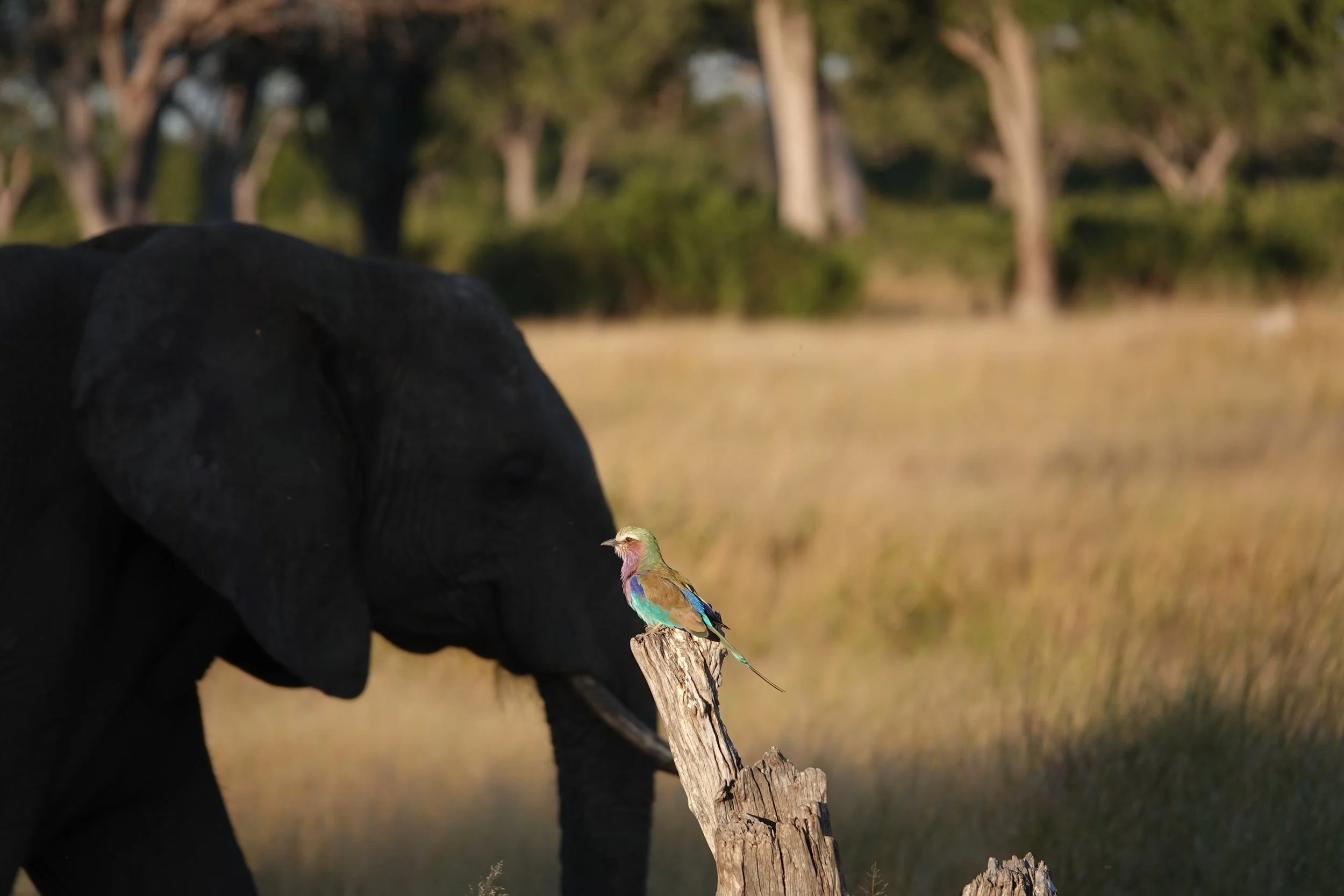
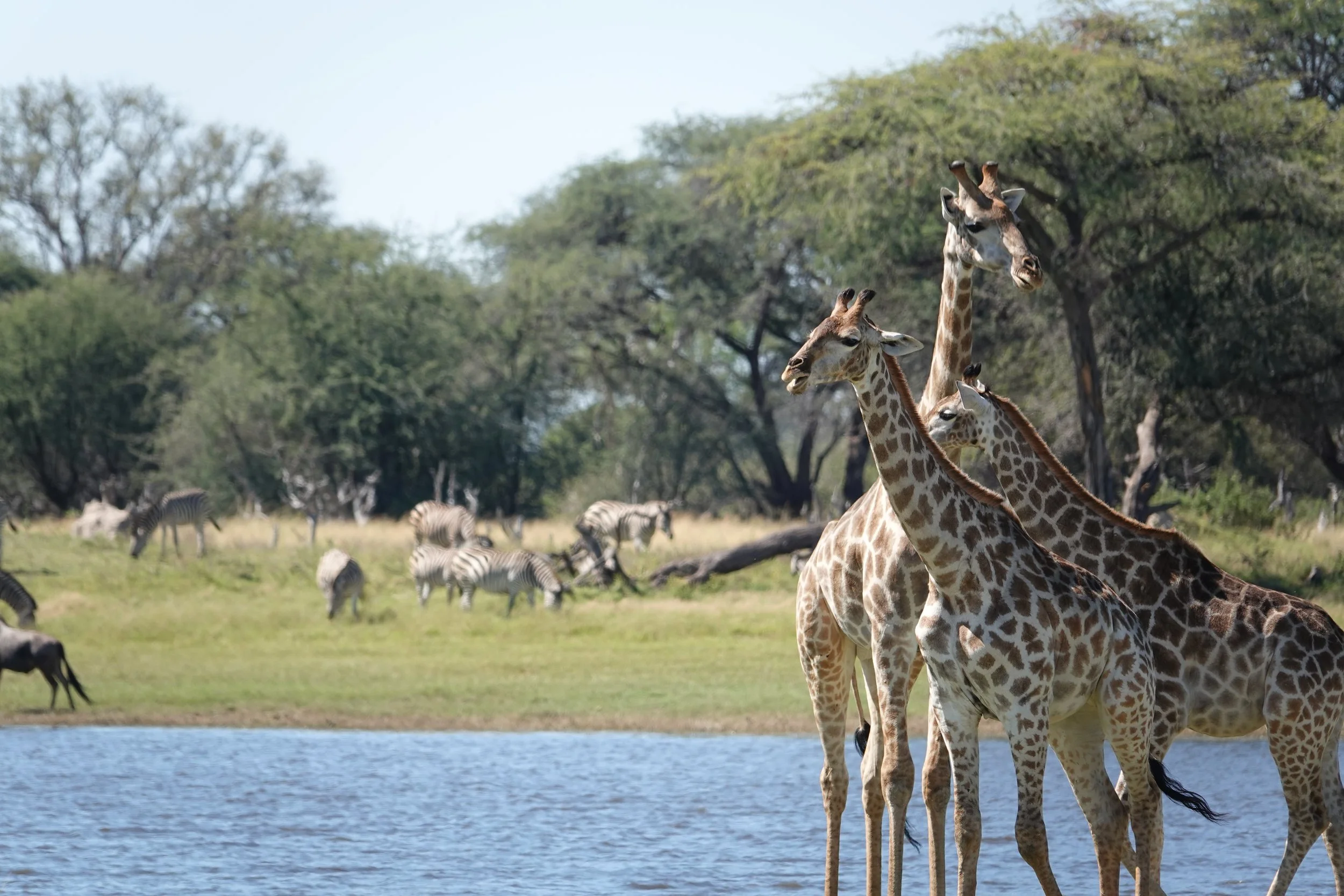
Favorite moments are hard to choose, but I’ll never forget realizing that a handful of Klipspringers were watching us curiously as we tried to climb around the kopjees at sunrise. I was lucky to have three separate sightings of Sable antelope, a striking and elusive species, and I saw impressive numbers of Eland and Kudu. I had a few incredible encounters with elephants, approaches on foot with amazing guides or being completely surrounded by a breeding herd quietly foraging around our vehicle. I watched for almost an hour as a pride of 22 lions skulked in a single file across a vast savannah full of wildebeest, zebra and giraffe on alert.
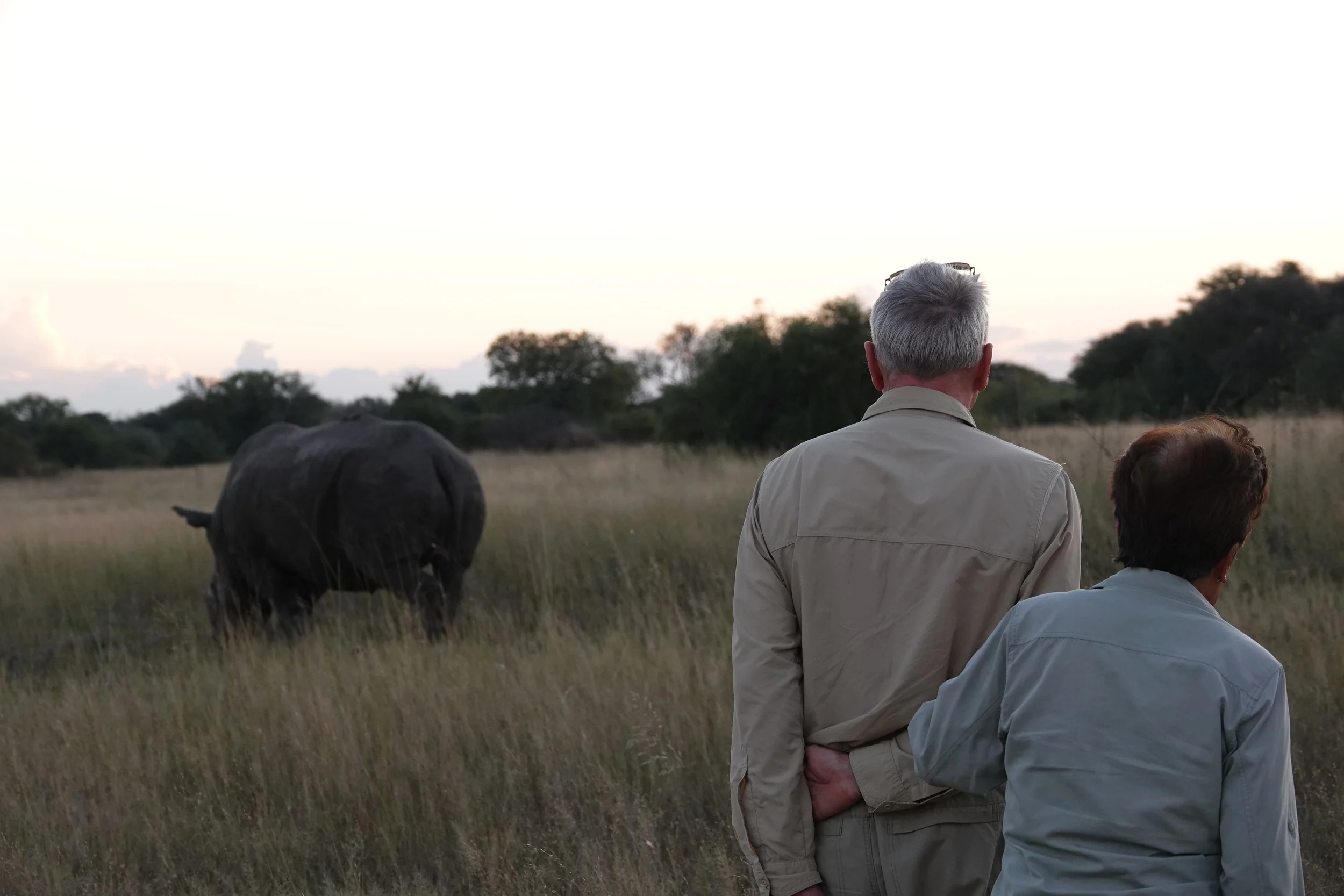
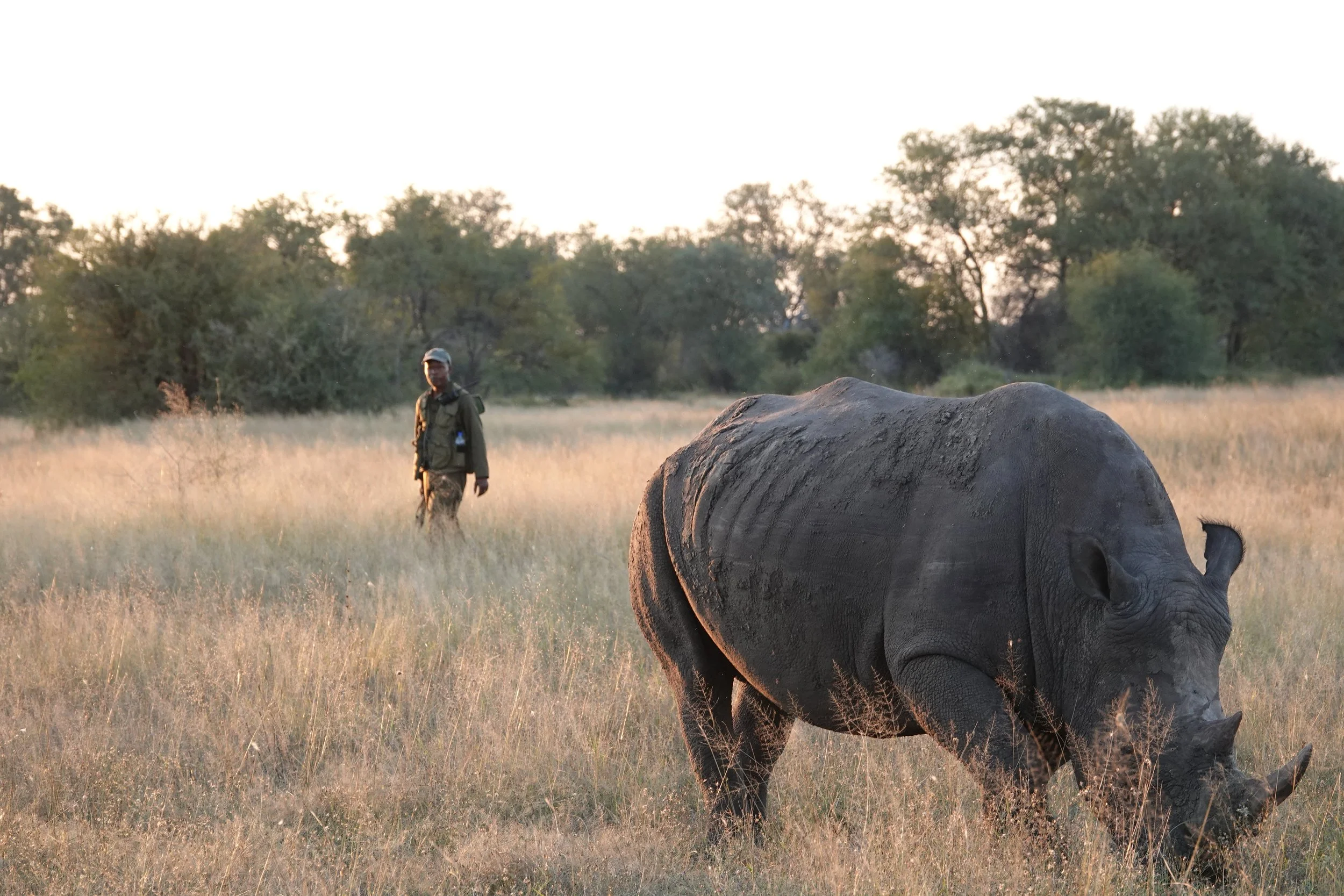
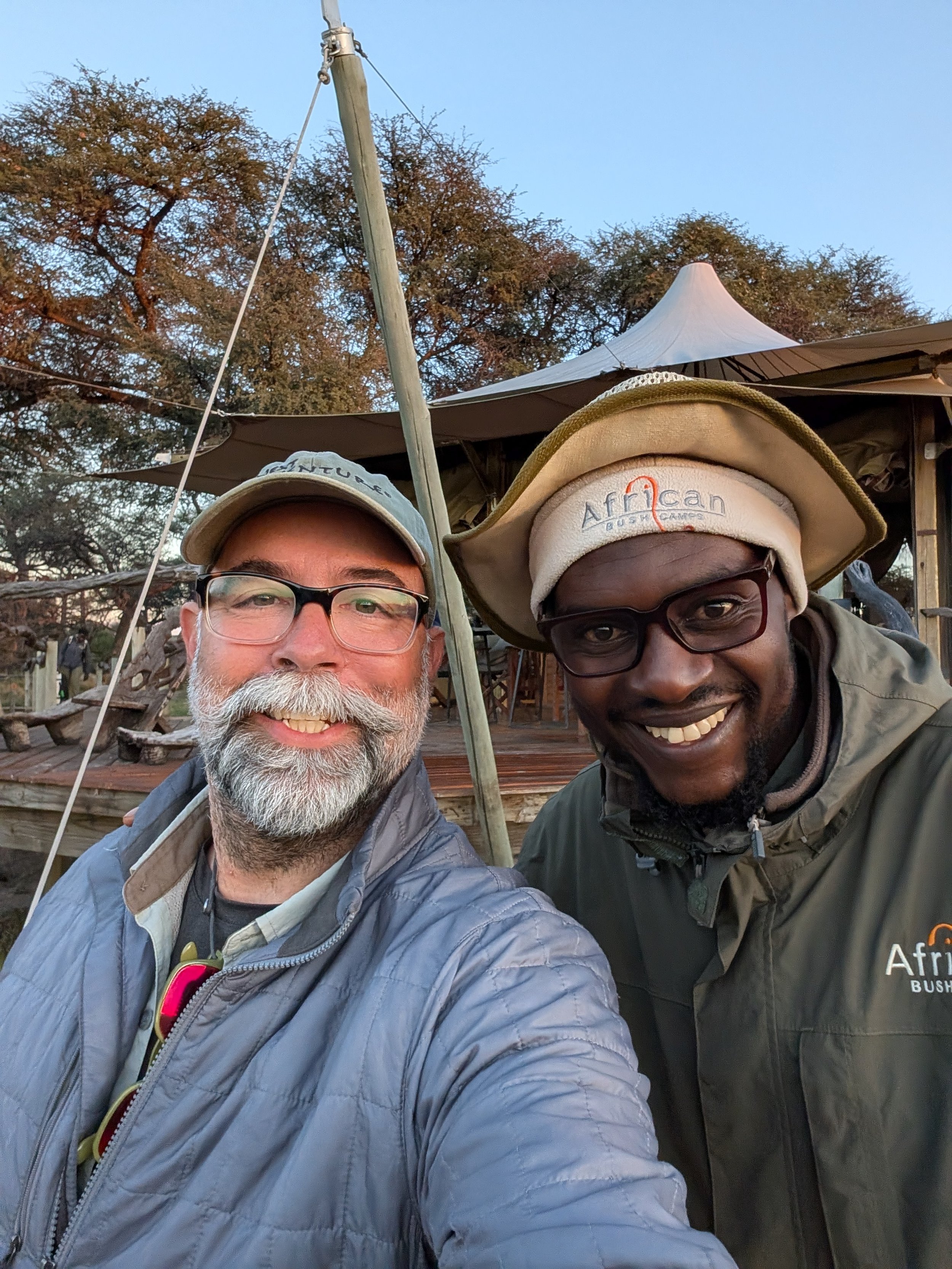
Beyond the wildlife, it was a chance to reconnect with the people and programs that define Hwange’s conservation story. I met quite a few guides who got their start working with Painted Dog Conservation, and visiting Imvelo’s ambitious Community Rhino Conservation Initiative underscored the critical balance between tourism, wildlife and local livelihoods. This unique partnership is securing a bufferzone between the national park and communal lands where rhinos are being successfully reintroduced. It is creating local jobs, expanding protected habitats and minimizing wildlife conflict in villages and homesteads adjacent to the park.
What stood out most was the contrasting themes of continuity and impermanence. Hwange’s beauty has always been tied to its extremes, just like Zimbabwe as a whole—cycles of scarcity and survival, flood and drought, boom and bust—and this season revealed a quieter, more ephemeral side. Life persists, we persevere and everything comes back around. Water lilies blooming out of the Kalahari sand served as a powerful reminder: even in the most familiar landscapes, there are moments that defy expectation.
For those who know Hwange well, this was a year unlike any other. And for those yet to experience it, it was a glimpse into just how dynamic—and surprising—this iconic wilderness can be.