
Samburu Special 5
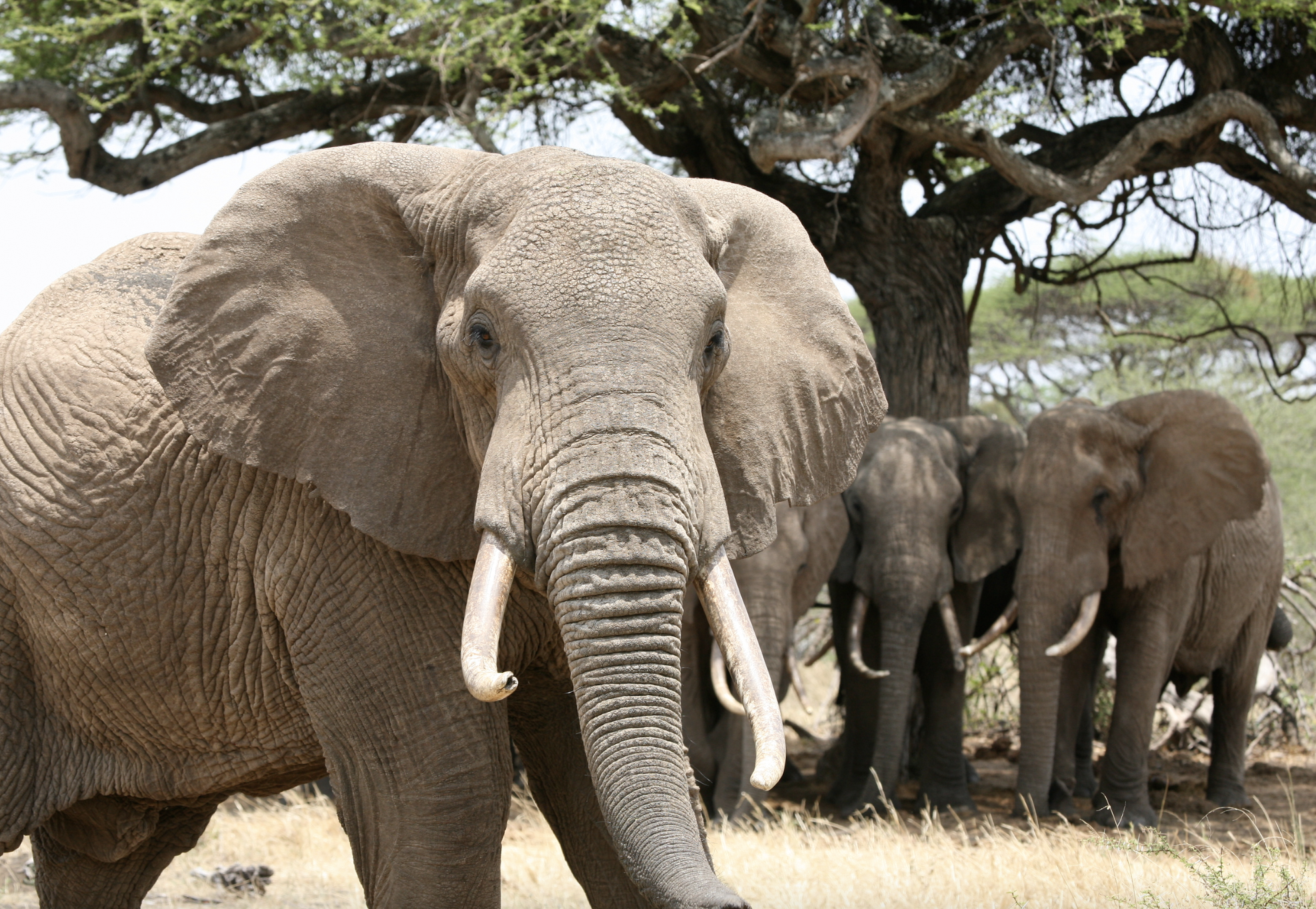
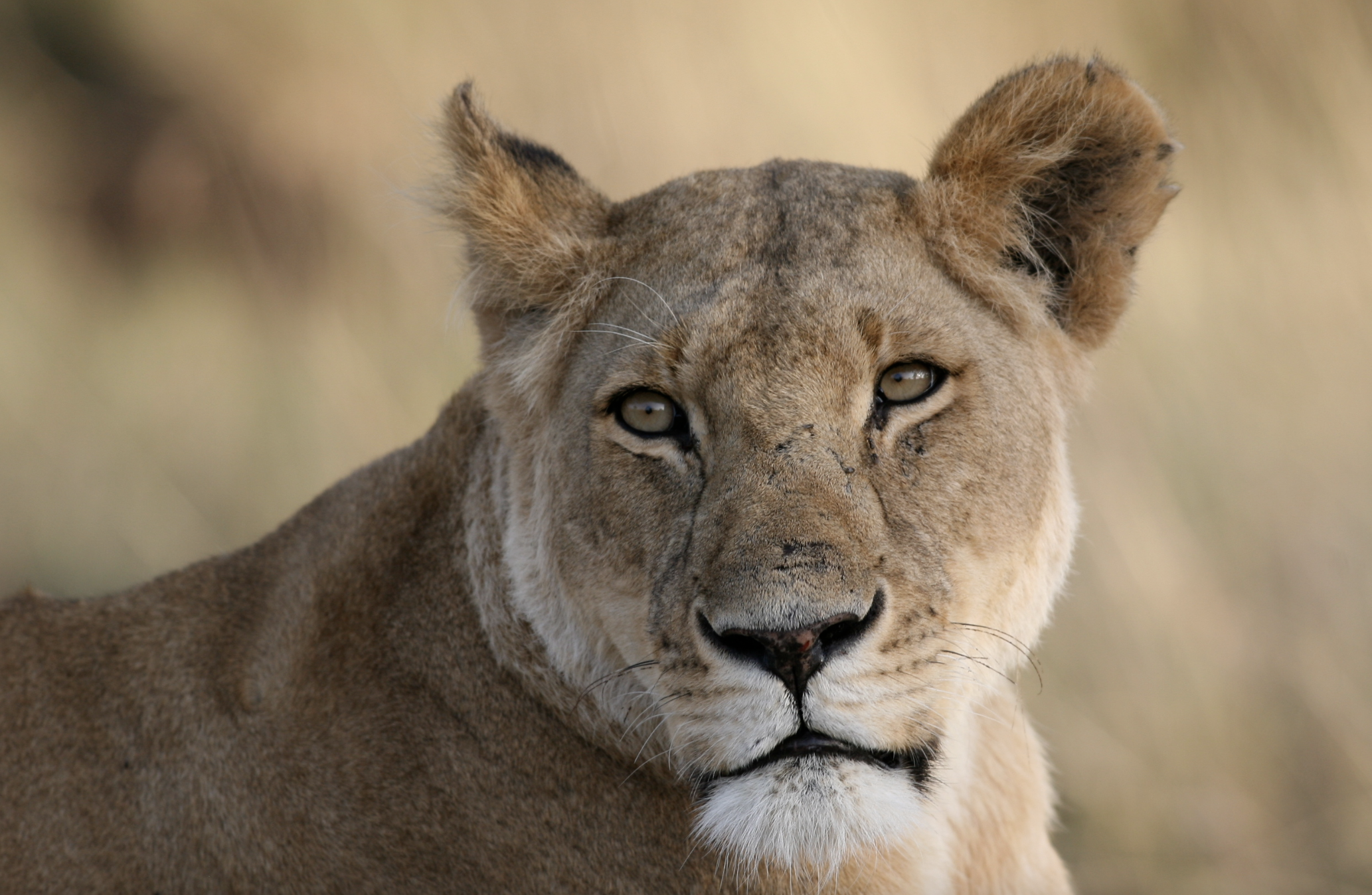
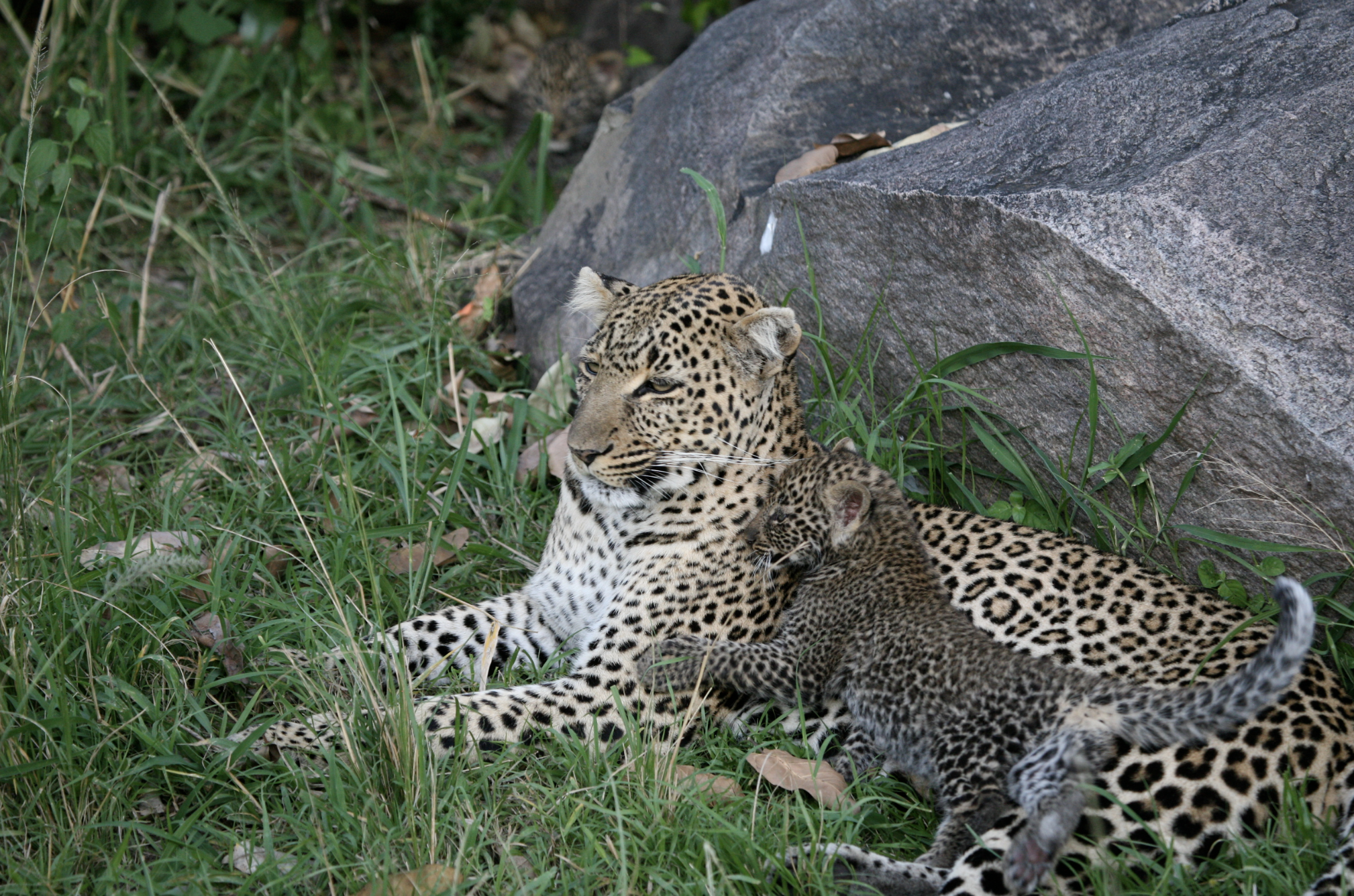
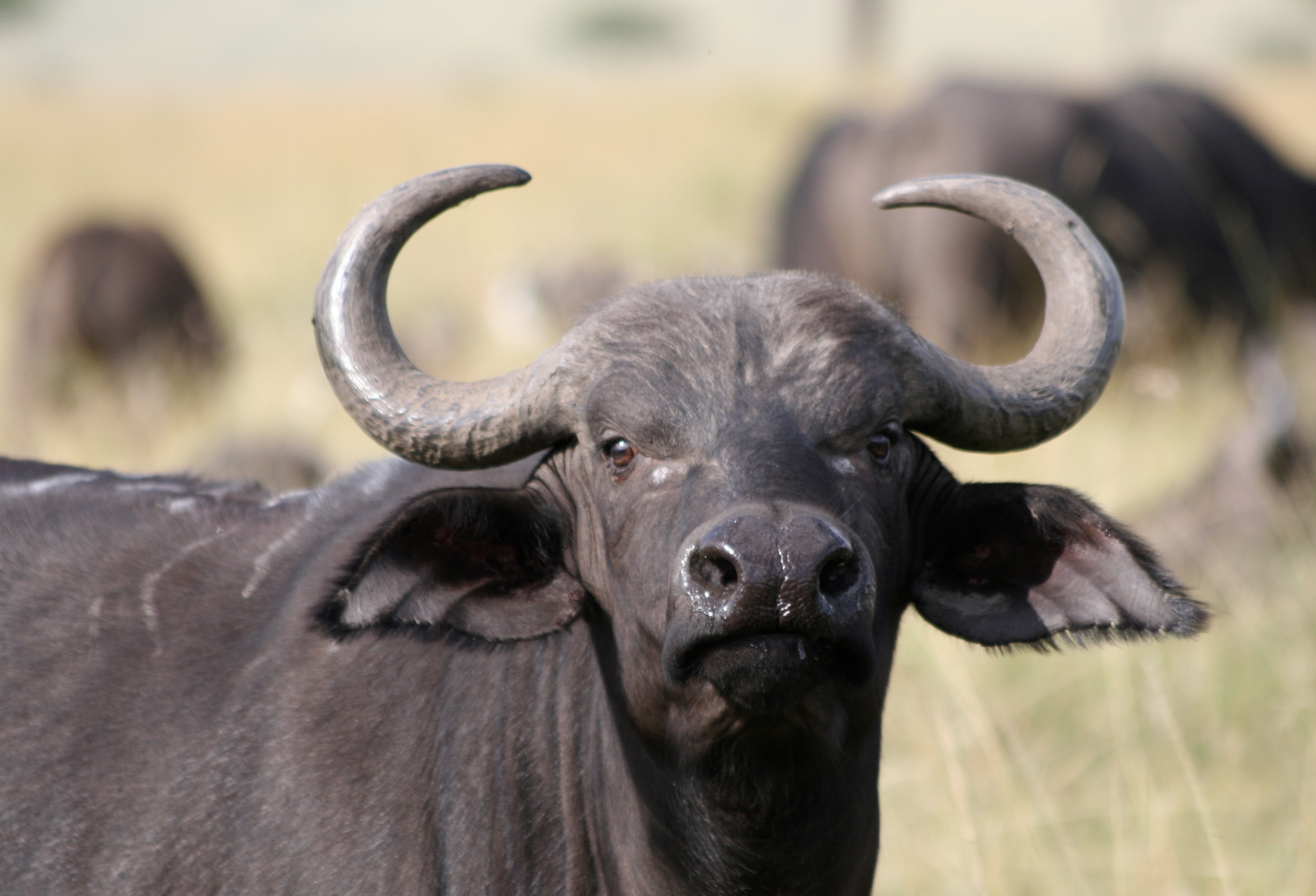
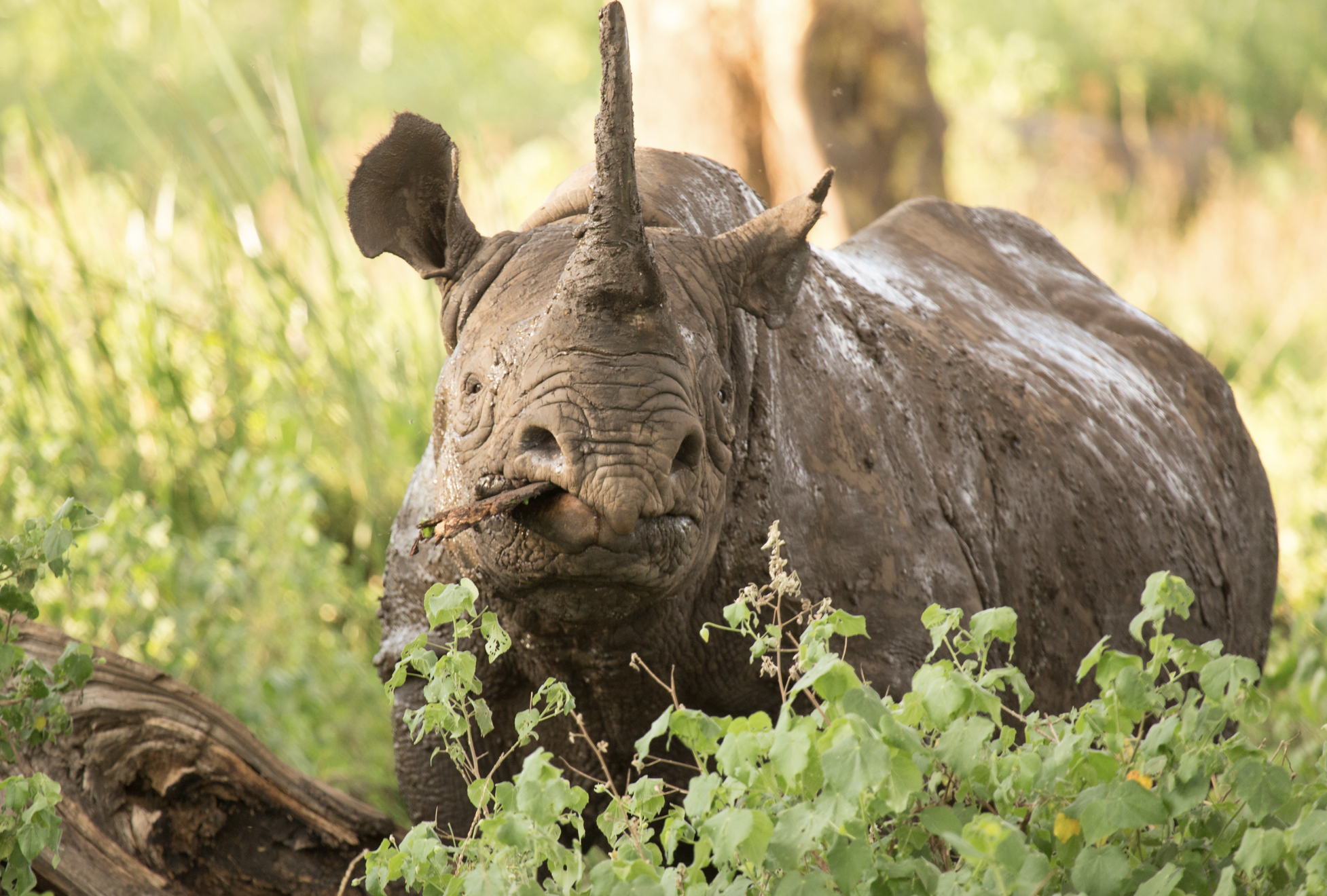
Most safari enthusiasts are familiar with the Big Five, the lion, leopard, elephant, Cape buffalo, and black rhino, originally named for the difficulty and danger of hunting them on foot. Today, they remain some of Africa’s most sought-after wildlife sightings.
In contrast, northern Kenya’s Samburu National Reserve is home to its own distinctive group known as the Samburu Special Five. These rare and endemic species thrive in the region’s dry, semi-arid landscapes and include Grevy’s zebra, reticulated giraffe, Beisa oryx, gerenuk, and Somali ostrich.
Unlike the widely distributed Big Five, the Samburu Special Five are largely exclusive to this northern ecosystem. They are not found in Kenya’s more frequented safari destinations such as the Masai Mara or Amboseli, making Samburu a uniquely rewarding experience for travelers seeking something truly different.
Meet the Special Five
Grevy’s Zebra
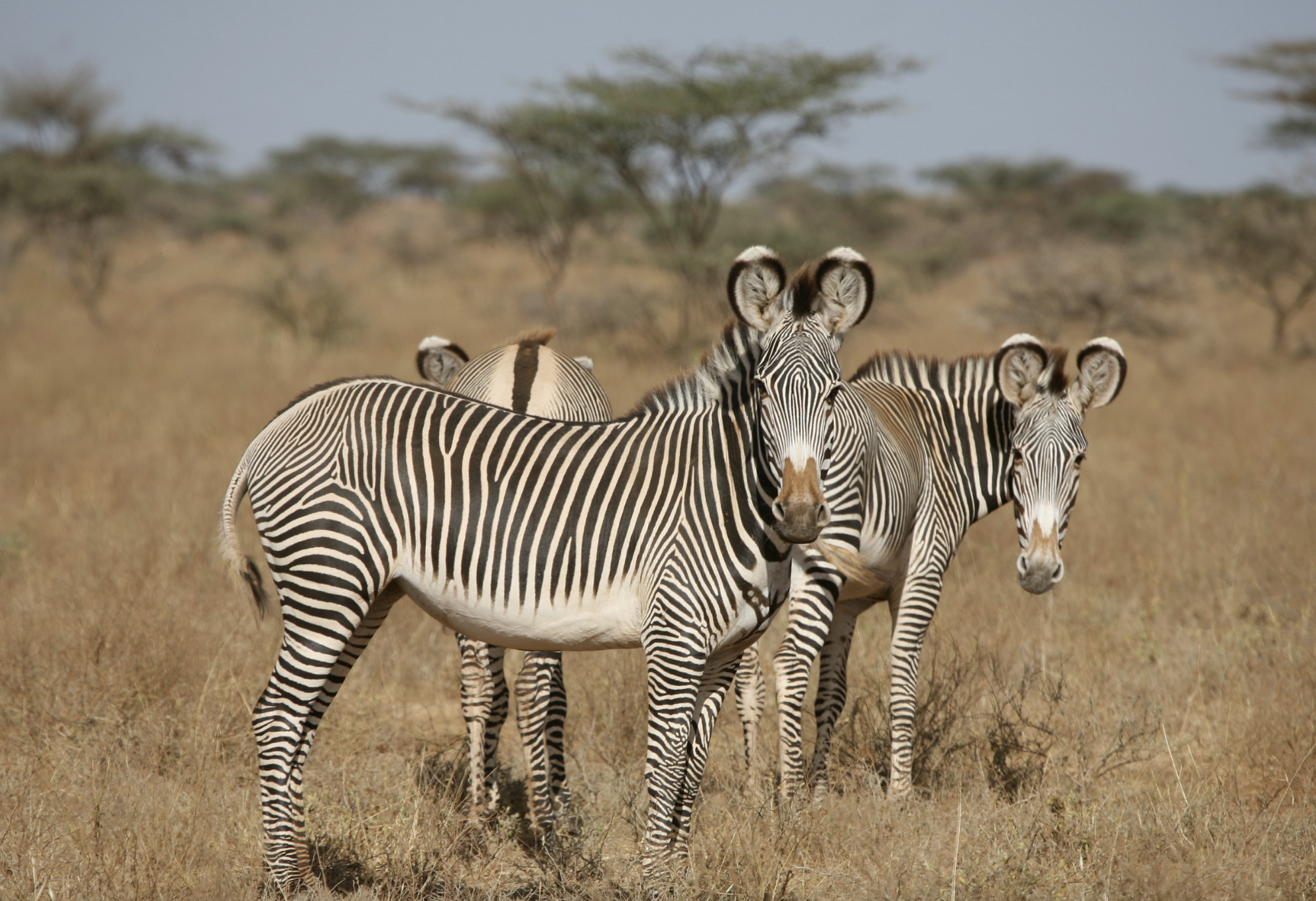
The Grevy’s zebra, the largest and most striking of all zebra species, is among Samburu’s most sought-after wildlife sightings. Instantly recognizable, it is defined by its rounded, almost mule-like ears and its narrow, finely drawn stripes that elegantly taper before reaching the belly—creating a clean white underside and an unmistakably regal silhouette.
Perfectly adapted to Samburu’s arid landscapes, Grevy’s zebras thrive in dry grasslands, along riverbanks, and within acacia-dotted plains. Unlike plains zebras, they are remarkably resilient, capable of surviving for extended periods without water, an adaptation that allows them to flourish in environments where other species cannot.
Yet despite their resilience, Grevy’s zebras face a precarious future. With an estimated population of just 3,000 individuals remaining in the wild, they are classified as endangered. Habitat loss, competition with livestock, and poaching continue to place pressure on the species. Conservation initiatives across northern Kenya, particularly in and around Samburu, are therefore vital in safeguarding the future of this rare and elegant animal.
Reticulated Giraffe
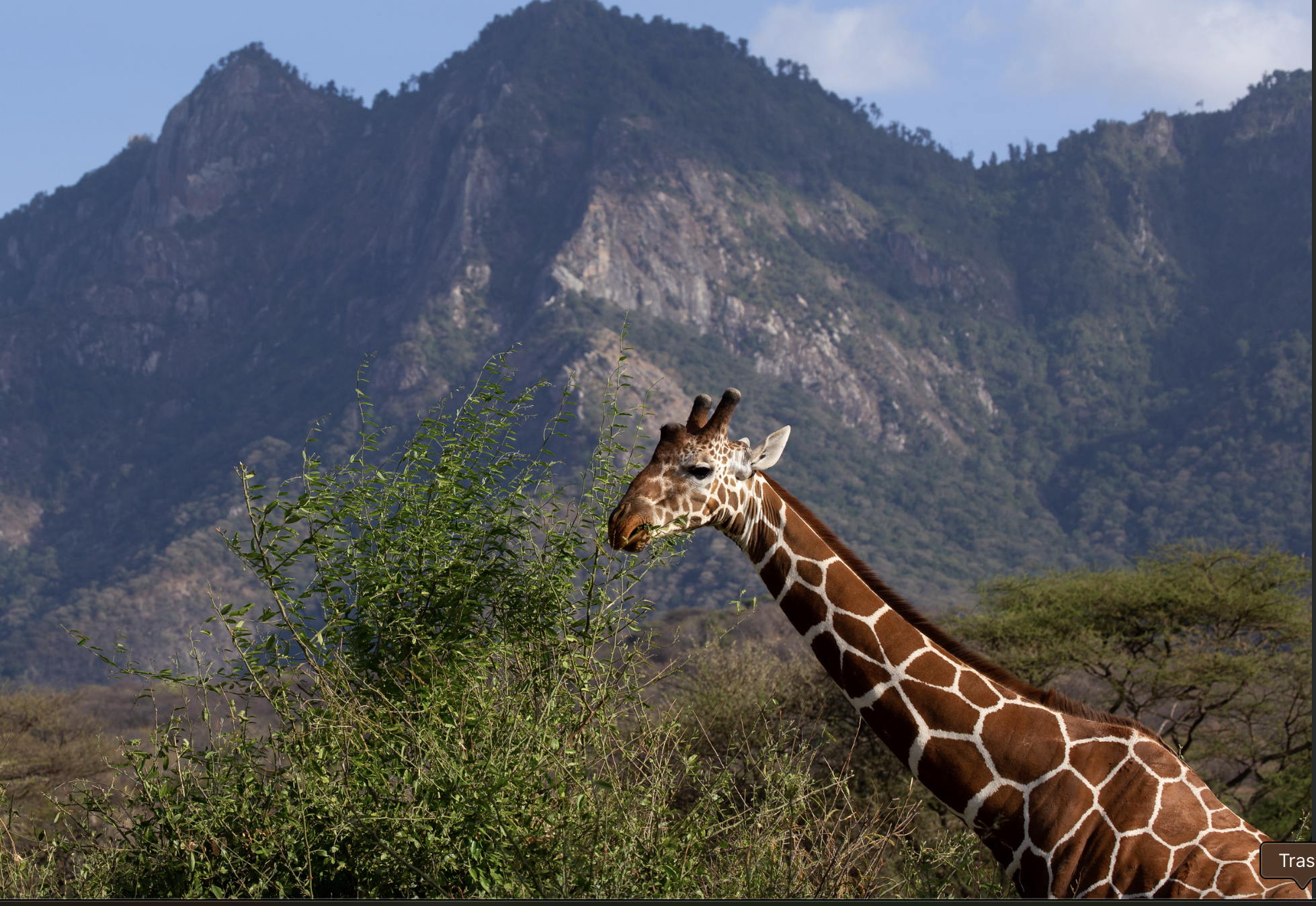
The reticulated giraffe is one of Africa’s most visually captivating animals, instantly distinguished by its striking coat of large, geometric patches, each crisply outlined in brilliant white. Compared to the more irregular markings of the Masai giraffe, its pattern is precise and almost mosaic-like, giving it a uniquely polished appearance. It is also among the tallest of the giraffe subspecies, with some individuals reaching an impressive height of up to 18 feet.
Well adapted to northern Kenya’s arid landscapes, reticulated giraffes are most often found in dry savannas, riverine corridors, and acacia woodlands. Using their remarkably long, prehensile tongues, they delicately strip leaves from thorny acacia trees with effortless precision. There is something undeniably iconic about watching their towering silhouettes move gracefully above the treetops, especially in the golden light of early morning or at sunset.
Yet, like the Grevy’s zebra, the reticulated giraffe faces an uncertain future. With fewer than 16,000 individuals remaining in the wild, it is classified as endangered. Habitat fragmentation, increasing pressure from expanding human settlements, and illegal hunting have all contributed to its decline. Conservation efforts across northern Kenya are therefore essential to protecting this elegant species and preserving the landscapes it calls home.
Beisa Oryx
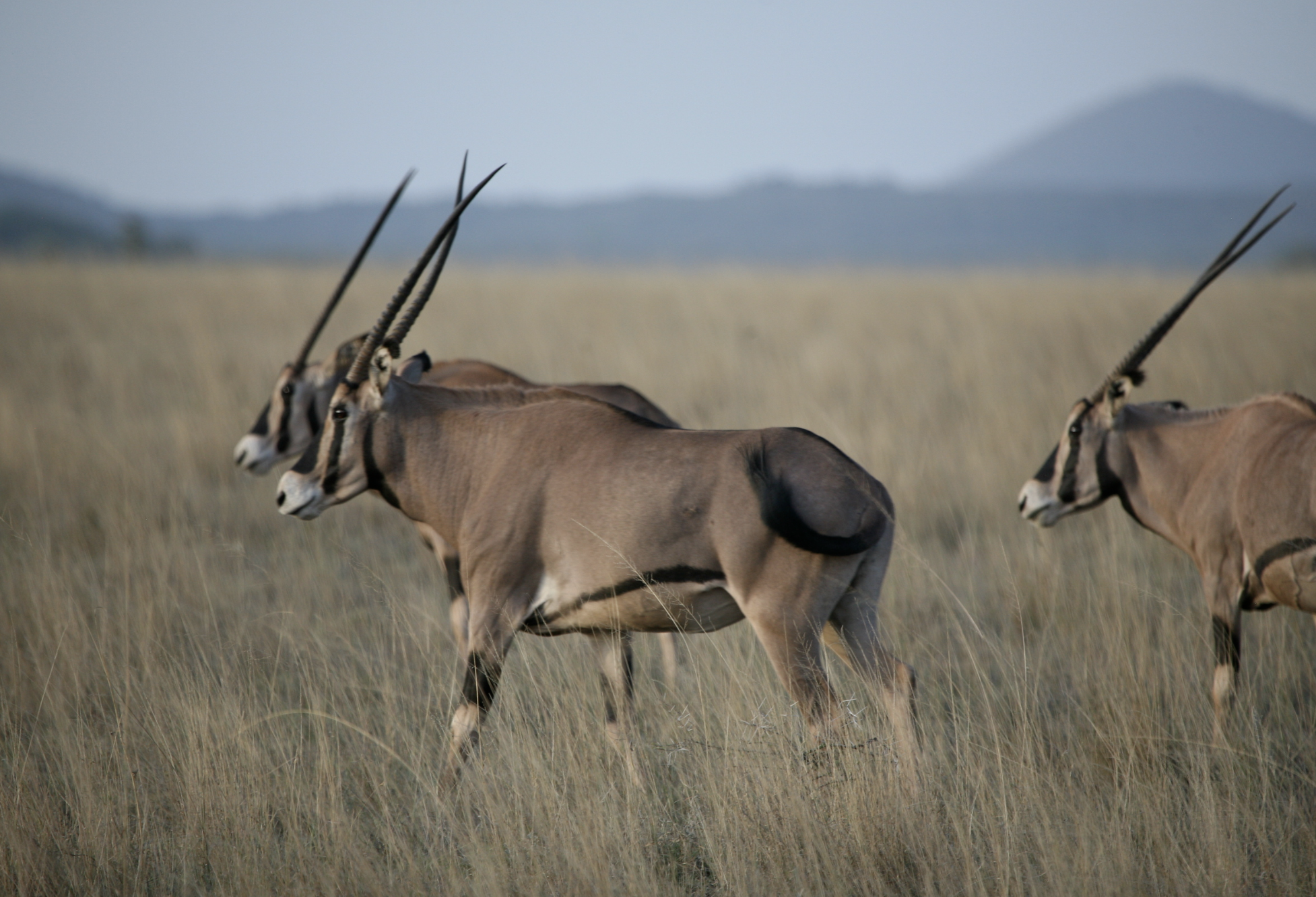
Known for its long, straight, spear-like horns, the Beisa oryx is one of Samburu’s most elegant antelopes. Its bold black-and-white facial markings, pale fawn coat, and distinctive dark flank stripes create a striking silhouette that stands out against the open plains.
The Beisa oryx thrives in semi-arid grasslands and sparsely vegetated landscapes, favoring open terrain over dense bush. Exceptionally well adapted to these harsh conditions, it can go extended periods without drinking, drawing moisture from the plants it grazes. These antelope are typically found in small herds of five to twenty individuals, usually led by a dominant male.
Although the Beisa oryx remains relatively widespread, its population faces increasing pressure from habitat encroachment by human and livestock settlements, as well as poaching. Encouragingly, conservation efforts, including strengthened anti-poaching measures and the development of wildlife corridors, are helping support a gradual recovery.
Gerenuk
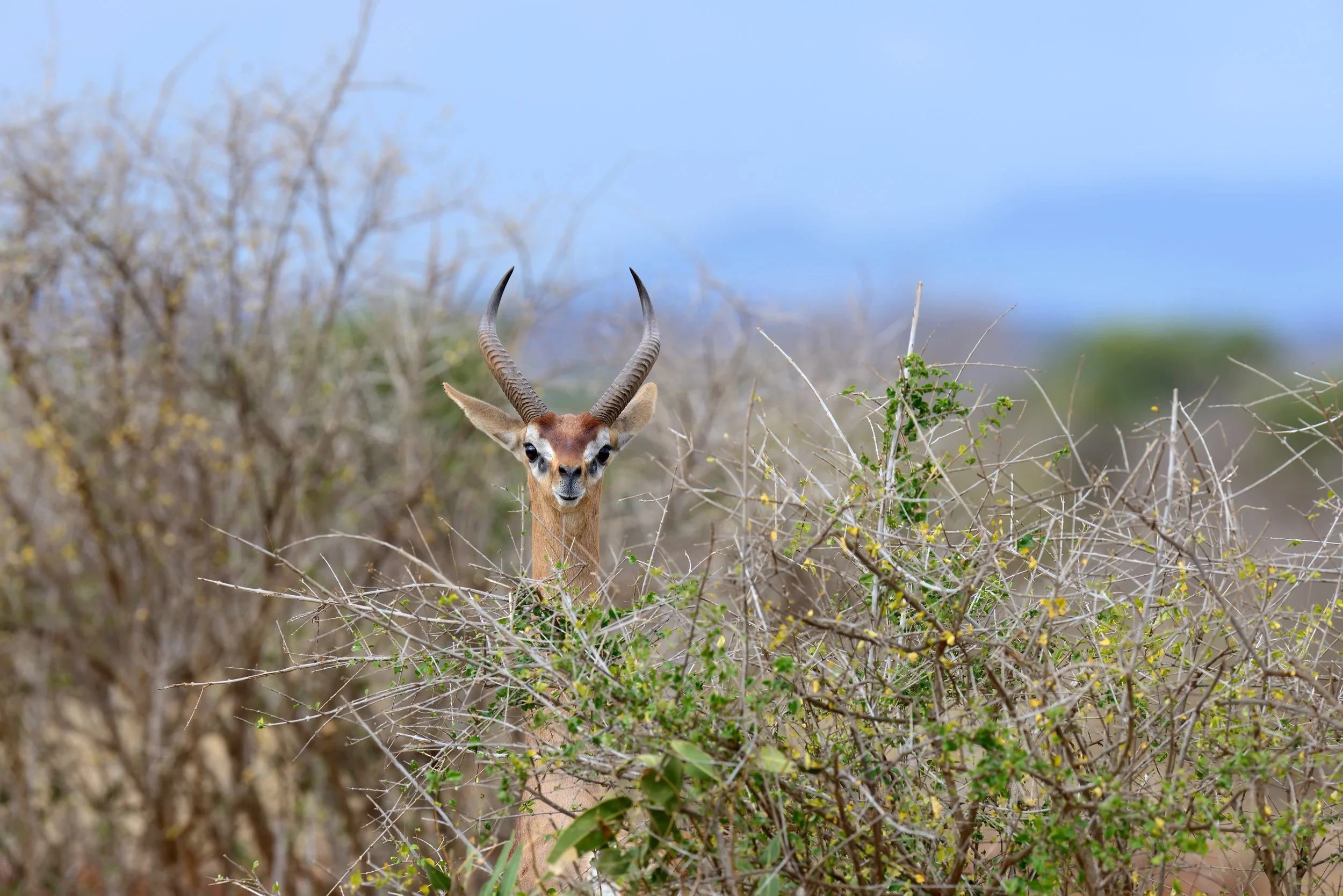
The graceful gerenuk, often called the “giraffe gazelle,” is one of nature’s most distinctive antelopes. With its elongated neck, slender frame, and alert expression, it stands apart from other species. Its most captivating feature is its feeding behavior, as it balances upright on its hind legs to browse leaves and flowers high within acacia trees. This unique adaptation allows the gerenuk to access food sources beyond the reach of most grazers.
With a narrow head, large eyes, and keen ears, the gerenuk is highly alert and well suited to life in arid environments. It has the remarkable ability to survive without drinking water, deriving all necessary moisture from the vegetation it consumes. This adaptation enables it to thrive in dry thornbush habitats where other species may struggle.
Unlike many antelope, gerenuks are often solitary or found in small groups, making sightings on safari especially memorable. Despite their specialized adaptations, they face growing threats from habitat loss and hunting. Expanding human settlements continue to encroach on the thornbush ecosystems they depend on. Protected areas such as Samburu play a vital role in safeguarding this unique species and preserving its fragile habitat.
Somali Ostrich
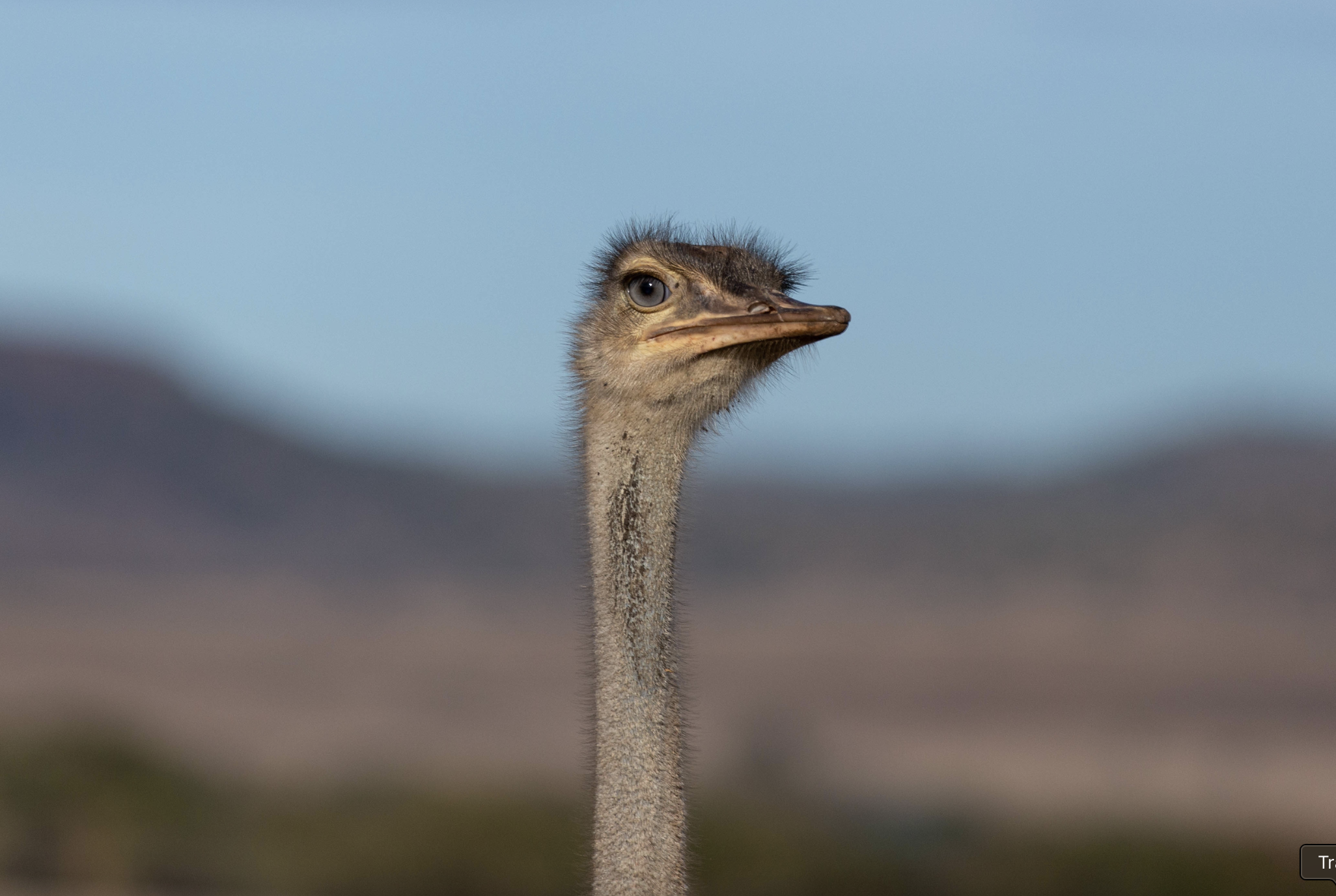
Known as the “blue-necked giant of the African plains,” the Somali ostrich is East Africa’s striking sprinter. Distinct from its more familiar relative, the common ostrich, it stands out for its vivid coloring, commanding presence, and remarkable speed. A sighting of this impressive bird is a memorable highlight on any Samburu safari.
Reaching heights of up to 9 feet (2.7 meters), the Somali ostrich is slightly taller than its southern counterpart. Males display glossy black-and-white plumage that shimmers in the sunlight, while females are cloaked in gray-brown feathers that provide excellent camouflage. Built for speed, it is the fastest bird on land, capable of reaching speeds of up to 43 miles (70 kilometers) per hour. Its long, powerful legs not only propel it across vast distances but also serve as formidable weapons for defense.
The Somali ostrich thrives in some of East Africa’s harshest environments, including open savannas, dry plains, and semi-desert regions. Watching them stride effortlessly across Samburu’s sunbaked landscapes is a captivating experience. Despite their size, they move with surprising quietness. Their diet consists mainly of seeds, shrubs, flowers, and grasses, though they will occasionally consume insects and small vertebrates, particularly during the dry season. They are often seen alongside zebras and antelope, benefiting from shared vigilance, as their keen eyesight helps detect approaching predators.
Despite its resilience, the Somali ostrich faces ongoing threats from illegal hunting for its meat, feathers, and eggs, as well as habitat degradation caused by overgrazing and expanding human settlement. Currently classified as vulnerable, its future depends on continued conservation efforts. Protected areas such as Samburu National Reserve provide a critical refuge, where the species can roam freely and breed successfully.
Why the Samburu Special Five Matter
Each member of the Samburu Special Five tells a unique story of survival and adaptation, with ranges largely limited to northern Kenya’s arid landscapes. This rarity makes Samburu one of the few places where travelers have the exceptional opportunity to encounter all five species on a single game drive. Their limited distribution also underscores the importance of conservation in the region. Protecting these species and their fragile habitats is essential to ensuring their long-term survival.
For travelers, sightings of the Samburu Special Five add a deeper sense of meaning to every game drive, transforming each encounter into a truly unforgettable experience.
Samburu’s Dual Legacy: Big Five vs. Special Five
Luckily for Samburu safari goers you will be able to counter both the Big and Special Five. The Big Five are renowned for their reputations of being difficult to hunt while the Special Five highlight the region’s ecological uniqueness. It is a good reminder to visitors that the extraordinary wildlife in the Samburu extends beyond the more famous Big Five. From towering giraffes etched in geometric elegance to delicate gerenuks balancing upright beneath thorny acacia trees, to any sighting of the Big Five, the Samburu is an extraordinary safari destination.
Conservation Efforts for the Special Five
Grevy’s Zebra Trust (GZT): The Grevy’s Zebra Trust (GZT) was founded in 2007 to help conserve and protect the remaining 2,500 individuals of this unique species.It is the only organisation focused solely on saving the Grevy’s zebra.
Lewa Wildlife Conservancy: Actively supports habitat preservation and anti-poaching efforts in the Samburu by employing community-centric conservation.Because of their efforts, the Gevy’s zebra population has been able to grow.
Northern Rangelands Trust (NRT): The NRT is a key player in protecting the Samburu Special Five. Through community-led conservation in northern Kenya, the NRT ensures wildlife thrives alongside human needs in the rangelands.
The Samburu community feel strongly connected to the Samburu Five and see them as a significant part of their culture. With the eco-tourism model in the Samburu, travel directly helps the local communities and conservation efforts for the Special Five, while bringing awareness about to their endangered status.
Best Lodges for Samburu Special Five
Many lodges donate a part of their profits to effort to conserve and protect the Special Five. By traveling to the Samburu with Next Adventure, you are ensuring sustainable tourism that will benefit not only the Special Five, but the communities and wildlife around them.
