
Best Time to Visit Africa for a Safari
The best time to visit Africa for a safari is during the dry season from June to October, when rainfall is low, vegetation is sparse, and wildlife gathers at remaining water sources. This is when game viewing is at its most reliable across Kenya, Tanzania, South Africa, Botswana, Zambia, and Zimbabwe. That said, every season has something to offer, and the right time depends on what you want to see and where you want to go. Here's a breakdown by season and region.
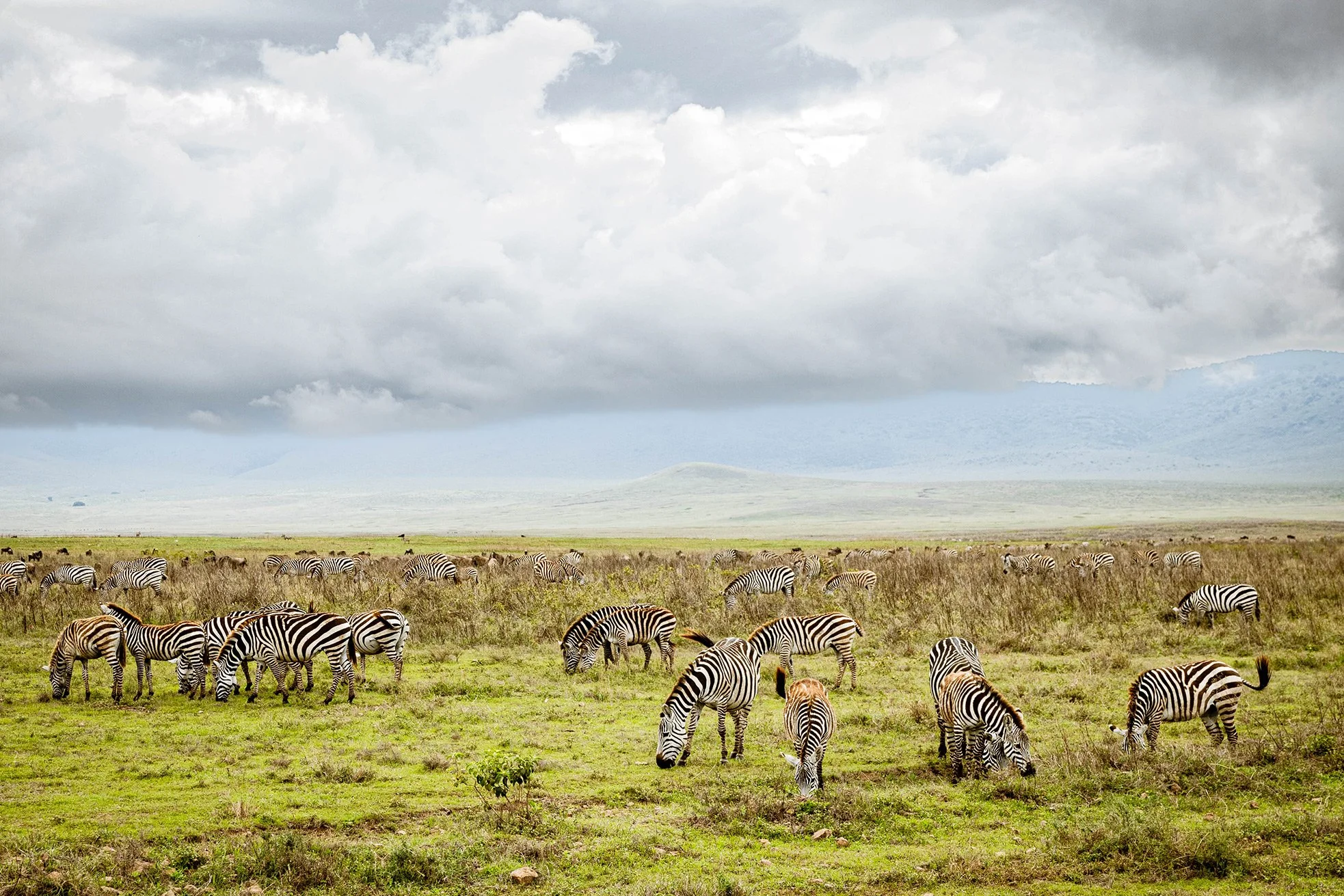
Safari Season in Africa by Month
June to October (Dry Season):

Prime wildlife viewing in famous parks across Kenya, Tanzania, South Africa, Botswana, Namibia, Zambia, and Zimbabwe.
Cooler temperatures and less rain, making the experience more comfortable.
Iconic events like the Great Migration river crossings between July and August in the Serengeti (Tanzania) and the Masai Mara (Kenya).
Large elephant herds gather in places like Chobe (Botswana) and Tarangire (Tanzania).
Excellent for multiple types of safaris, from classic game drives to walking or boat safaris.
With clear skies and sparse bush, the dry season promises spectacular wildlife viewing.
January to March (Short Dry Season):
Good wildlife viewing in East Africa, especially Tanzania and Kenya. This period includes wildebeest calving in the southern Serengeti, which attracts predators and unique behaviors.
Lower visitor numbers compared to the main dry season, resulting in a more intimate safari experience.


October to December (Transition to Rains):
Wildlife can still be seen at remaining water sources, although temperatures, especially in southern Africa, can be very hot.
Rates at lodges may decrease, and crowd sizes diminish.
November marks the start of the "short rains" in East Africa, but wildlife viewing remains good, and birdwatching becomes exceptional as migratory species arrive
Best Time to Visit Each Safari Destination
The best time to visit Africa for a safari varies by country, region, and experience. Use this guide to compare seasons, then explore Next Adventure’s African safari destinations to find the right match for your interests.
Kenya
The best time to visit Kenya for a safari is usually from July to October, when conditions are dry and migration herds are often present in the Masai Mara. January and February are also excellent months for clear weather, active wildlife, and fewer visitors than during the migration season.
Tanzania
Visit Tanzania from June to October for dry-season game viewing in the Serengeti, Ngorongoro Crater, and Tarangire. For wildebeest calving and predator activity, travel to the southern Serengeti between January and March.
South Africa
May to September is the preferred safari season in the Greater Kruger and other northern reserves. The cooler, drier weather reduces vegetation and draws wildlife toward water sources, while South Africa’s varied regions make year-round customized safaris possible.
Botswana
The best time to visit Botswana for wildlife viewing is from May to October, with cooler conditions from June through September. As the dry season advances, wildlife gathers near the Okavango Delta, Chobe River, and remaining water sources, while the green season suits repeat visitors, birders, and photographers.
Zambia
Plan a Zambia safari from June to October, when dry conditions provide good access to South Luangwa, Lower Zambezi, and Kafue. This period is especially well suited to walking safaris, night drives, and wildlife viewing near rivers and waterholes.
Zimbabwe
The best time to visit Zimbabwe for a safari is from May to October, with particularly strong wildlife viewing later in the dry season. Mana Pools, Hwange, and other northern parks become increasingly rewarding as animals gather around rivers and permanent water sources.
Namibia
Visit Namibia from June to October for dry weather, comfortable travel conditions, and excellent wildlife viewing around Etosha’s waterholes. The country’s desert scenery, remote lodges, and wide-open landscapes also make it a strong year-round choice.
Rwanda
The drier periods from June to September and mid-December to early February are generally the best times for gorilla trekking in Rwanda. Trails may be easier to navigate during these months, although rain is possible at any time in the mountain forests.
Uganda
The best times to visit Uganda are from June to August and December to February, when drier conditions favor gorilla trekking, chimpanzee tracking, and savanna safaris. Gorilla permits are limited during popular travel periods, so Next Adventure recommends planning well in advance.
Republic of Congo
The drier periods from December to March and June to September are well suited to exploring the Republic of Congo’s rainforests. Odzala-Kokoua National Park offers western lowland gorilla tracking, forest wildlife, river activities, and visits to wildlife-rich baïs.
When to See the Great Migration
The Great Migration is one of the most sought-after wildlife events in Africa. The river crossings between July and August draw millions of wildebeest and zebra from the Serengeti into Kenya's Masai Mara. For calving season, visit the southern Serengeti between January and March. Timing depends on which part of the migration you want to witness, so reach out to us and we can help you plan around it.
Plan Your Safari at the Right Time
The best time to visit Africa for a safari depends on your priorities, whether those are peak wildlife viewing, fewer crowds, or lower rates. Next Adventure has over 30 years of experience helping travelers choose the right season, destination, and camps for their goals. Get in touch, and we'll help you find the perfect window.
